One in five Australian children lives with an eye or vision condition. That is a significant number, yet most of such cases go completely unnoticed until the child is already falling behind at school, struggling to read, or sitting too close to everything.
The challenge is that children rarely realise their vision is different from everyone else's. If blurry vision is all they have ever known, they often assume it is normal. If they have always seen the world slightly blurred, they assume that is just how it is. They do not complain; in fact, they adapt. And because the early signs are so easy to miss, parents are often the last to find out something is wrong.
Understanding the signs of common eye conditions can help parents seek treatment sooner. Below, we cover seven of the most common childhood eye conditions, along with their symptoms and available treatment options.
Quick Summary
The 7 most common paediatric eye conditions to watch out for include:
- Childhood myopia
- Lazy eye (amblyopia)
- Crossed eyes (strabismus)
- Conjunctivitis
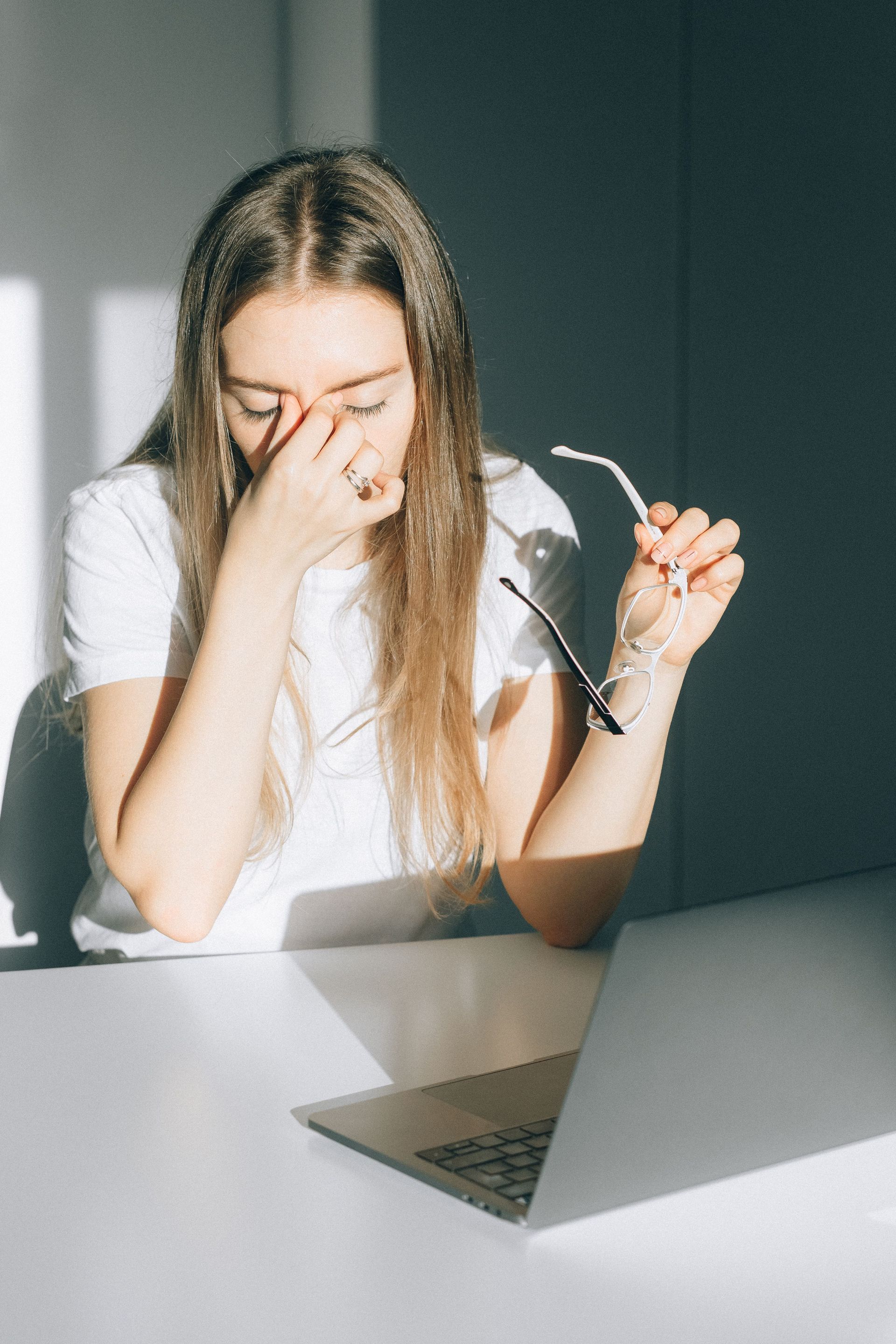
- Digital eye strain
- Colour vision deficiency
- Paediatric dry eye or allergies.
Most of these conditions are treatable when caught early through a comprehensive children's eye examination.
Signs Your Child May Need an Eye Examination
Before getting into specific children's eye problems, it helps to know what to watch for at home. Some signs that warrant a professional examination for a
child’s vision include:
- Sitting unusually close to the TV or holding books very close to their face
- Frequent squinting, eye rubbing, or head tilting
- Complaints of headaches, especially after school or screen time
- Losing their place while reading, or avoiding reading altogether
- One eye turning inward or outward
- Covering or closing one eye to see better
- Sensitivity to light or frequent blinking
If you spot any of these, do not wait for the school vision screening to flag something. School screenings are basic checks. They are not comprehensive eye health examinations. You should always consult an optometrist or eye care professional for a proper assessment.
The 7 Most Common Paediatric Eye Conditions
Here is what every parent should know about the 7 most common pediatric conditions: what they are, how they show up, and what can be done about them.
1. Childhood Myopia (Short-Sightedness)
Myopia is now one of the most widespread children's vision problems in Australia. A short-sighted child can see nearby objects clearly but struggles to see distant objects sharply. These objects may include:
- The whiteboard at school
- A friend waving from across the street
- Street signs or television text
The underlying cause of Myopia is physical. The eyeball grows slightly too long, which causes incoming light to focus just in front of the retina, the light-sensitive tissue at the back of the eye. And because the eye is still growing during childhood, myopia tends to get worse year after year if it is not managed.
How It Is Managed
While there is no permanent cure for myopia, its progression can be slowed down significantly to protect your child's future eye health. Evidence-backed options include:
- Low-dose Atropine eye drops (nightly drops that relax the eye's focusing mechanism)
- Dual Focus spectacle lenses (special glasses designed for school and play that curb eye elongation)
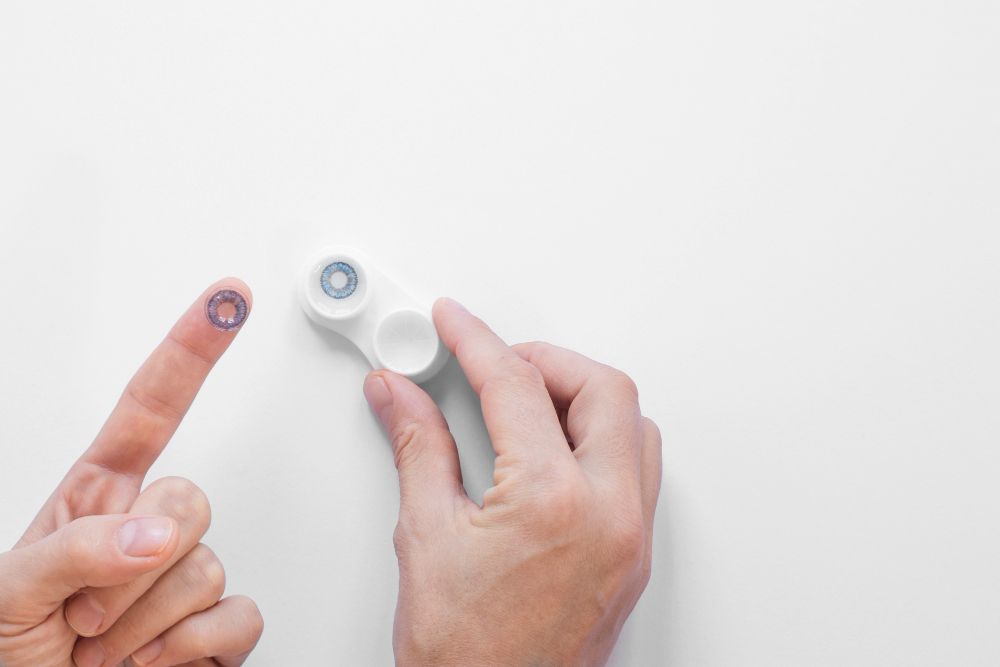
- Orthokeratology (Ortho-K) (hard contact lenses worn only overnight to reshape the cornea temporarily)
- Encouraging more outdoor time (as natural daylight acts like a natural brake and stops the eyeball from growing too long)
2. Lazy Eye (Amblyopia)
Amblyopia happens when one eye does not develop normal vision strength during childhood, usually because the brain starts to favour the other eye and gradually stops processing signals from the weaker one. Without treatment, the connection between the weaker eye and the brain may not develop properly, leading to lasting vision loss if left untreated.
The tricky part is that many children with amblyopia show no outward sign of a problem. They navigate daily life normally because their stronger eye is compensating. That is precisely why it tends to go undiagnosed without a proper eye examination.
Signs that may point to amblyopia include:
- Frequent eye rubbing
- Difficulty judging distances, such as catching a ball, climbing stairs, or navigating uneven surfaces.
- Sometimes, there is a visible difference in the position or movement of each eye.
How to Fix It
Patching the stronger eye to force the brain to use the weaker one is still a common and effective approach, often combined with corrective lenses.
The window for successful treatment narrows significantly as the child gets older, so early detection matters enormously.
3. Crossed Eyes (Strabismus)
Strabismus is the condition where both eyes do not align when looking at the same object. One eye may turn inward, outward, upward, or downward. It can be constant or intermittent, sometimes only appearing when the child is tired or unwell.
Parents are often the first to notice that one eye occasionally drifts or does not move in sync with the other. If your child's eyes seem to drift or do not move together, that observation is worth taking seriously and acting on quickly.
When strabismus is not treated, amblyopia may develop as the brain begins to ignore the misaligned eye in order to prevent double vision.
Treatment Options
Treatment options for crossed eyes include:
- Corrective glasses
- Patching
- Vision therapy
- Surgery to adjust the eye muscles.
4. Paediatric Conjunctivitis (Pink Eye)
Conjunctivitis, often called pink eye, occurs when the thin membrane covering the white part of the eye becomes irritated or infected. When small blood vessels in this membrane become inflamed, the white of the eye takes on a pink or red colour, which is where the name comes from.
In children, conjunctivitis is extremely common and spreads quickly in school and childcare environments. It can be caused by:
- Bacteria
- Virus
- An allergic reaction
- An irritant like chlorine from a swimming pool.
Signs your child might be struggling with conjunctivitis include:
- Red or pink colouring across the white of the eye
- Discharge that crusts and seals the eye shut overnight
- Persistent watering or itching that does not settle
- Sensitivity to bright light
How to Find Relief
Getting the right diagnosis matters because the treatment differs quite significantly depending on the cause:
- Bacterial conjunctivitis is typically treated with antibiotic eye drops.
- Viral cases generally resolve on their own.
- Allergic conjunctivitis requires a different approach, often antihistamine or anti-inflammatory drops.
5. Digital Eye Strain in Children
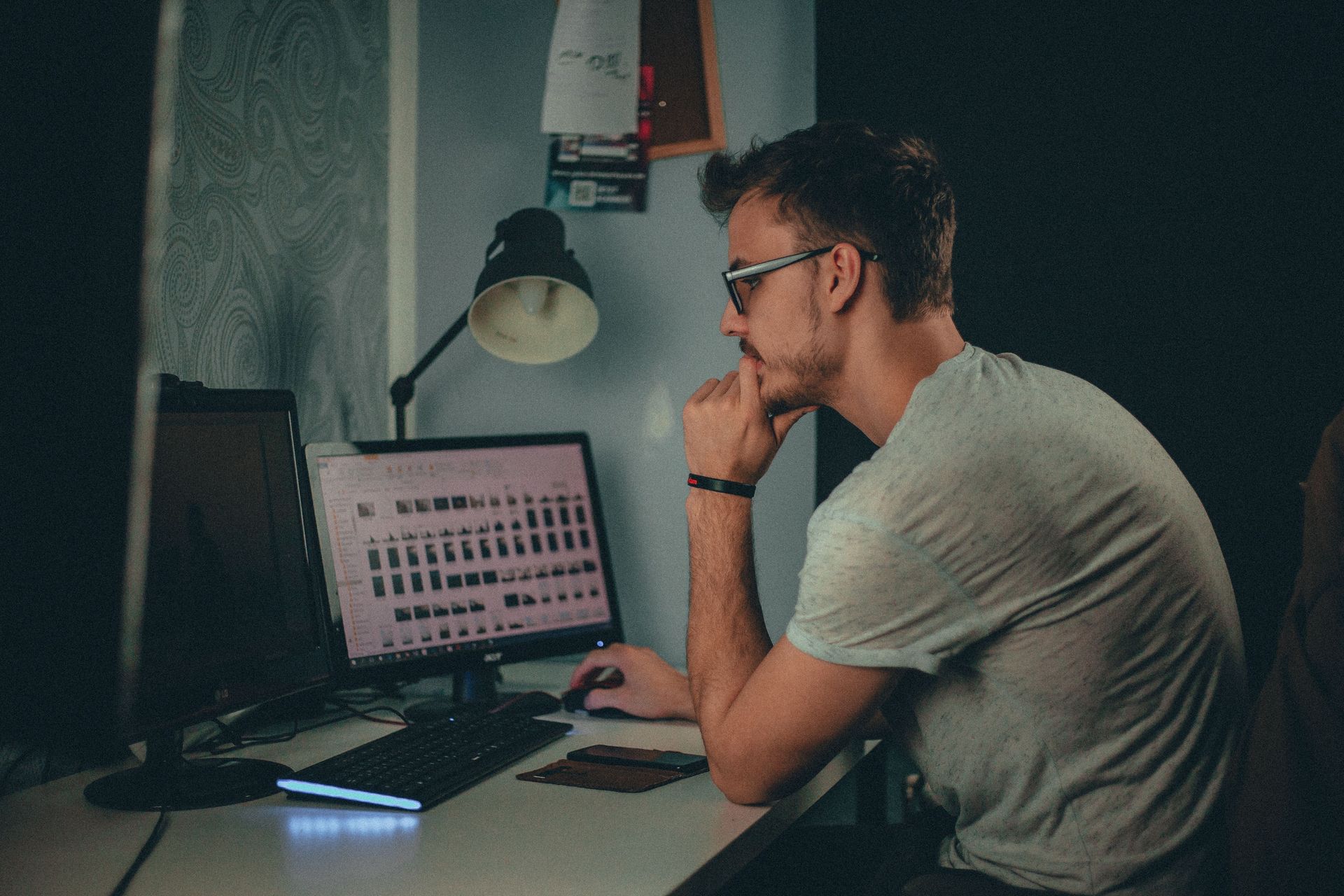
This one is a modern and fast-growing issue. Screen use has become a routine part of childhood, both at school and at home. Extended periods of close-up screen use can contribute to eye discomfort and visual fatigue.
Digital eye strain in children shows up as:
- Headaches after screen time
- Blurred vision
- Dry or irritated eyes
- Difficulty concentrating
- Complaints of tired eyes by mid-afternoon.
Many parents attribute these symptoms to general tiredness or attention issues when the eyes are actually the source of the problem.
Practical Lifestyle Adjustments
A comprehensive paediatric eye examination can rule out minor, underlying vision issues that might be making digital eye strain significantly worse.
Beyond that, you can protect your child's eye health daily with a few simple lifestyle adjustments:
Parents can also help reduce digital eye strain and improve children's eye health through simple daily habits:
- Enforce the 20-20-20 rule: Encourage your child to take a break every 20 minutes to look at something at least 20 feet (6 metres) away for at least 20 seconds to relax their eye muscles.
- Optimise Room Lighting: Ensure the room is well-lit so their screen isn't the brightest light source in the room, which drastically reduces glare and eye fatigue.
- Keep a Safe Distance: Teach your child to hold devices at "Harmon’s distance," which is roughly the distance from their elbow to their knuckles, instead of holding screens too close to their face.
- Encourage Blinking: Remind them to blink fully and frequently while playing games or watching videos to keep their eyes naturally lubricated.
6. Colour Vision Deficiency (Colour Blindness)
Colour vision deficiency is a genetic issue and is present from birth. It affects around 8% of males and 0.5% of females. The most common form is difficulty in distinguishing between red and green.
Most children with colour vision deficiency can still see colors, but they perceive certain shades differently. They perceive colours differently from those with full-colour vision.
An optometrist can confirm colour vision deficiency during a routine eye examination using specialised colour plates.
How It Is Managed
The condition is not treatable, but knowing about it early allows parents, teachers, and the child to make informed adjustments, such as the following:
- Selecting an alternative, non-colour-coded teaching resource
- Labelling school supplies
- Helping the child understand why certain things look different to them
7. Paediatric Eye Allergies and Dry Eye
Allergic eye reactions are common in children and often underestimated. Seasonal allergens like pollen, as well as year-round triggers like dust mites, animal dander, and mould, can cause the eyes to become itchy, red, and watery.
Frequent eye rubbing is common and can worsen irritation or introduce bacteria into the eyes.
Paediatric dry eye is also increasingly recognised as a real clinical issue, particularly in children who:
- Spend long hours on screens
- Live in dry or air-conditioned environments
- Have underlying conditions that affect tear production.
How to Fix It
Treatment of eye allergies usually involves:
- Allergen management
- Lubricating eye drops
- Using a cool compress over closed eyes
- Anti-inflammatory drops prescribed by an optometrist.
How Advanced Eye Technology Helps Detect Problems Earlier
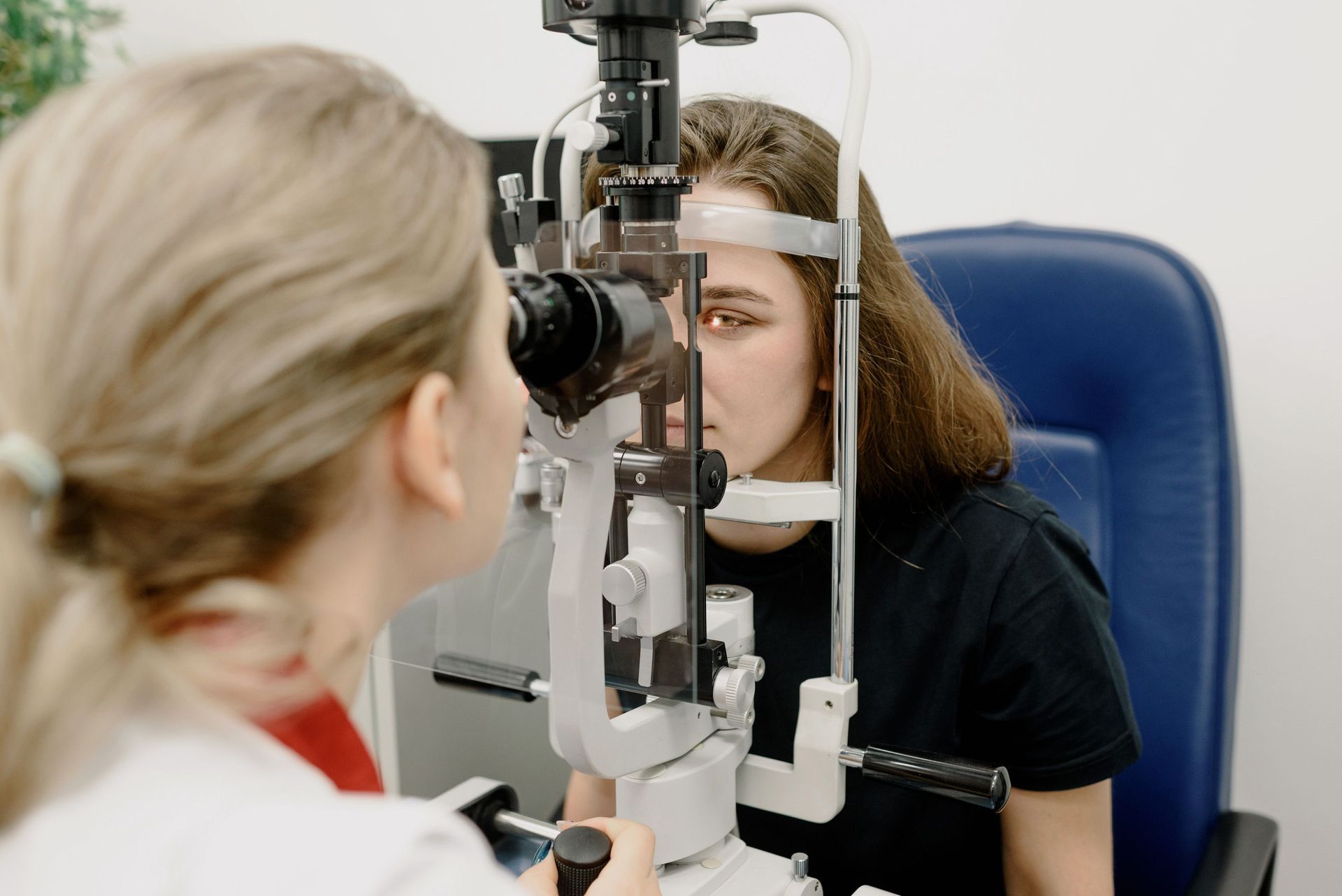
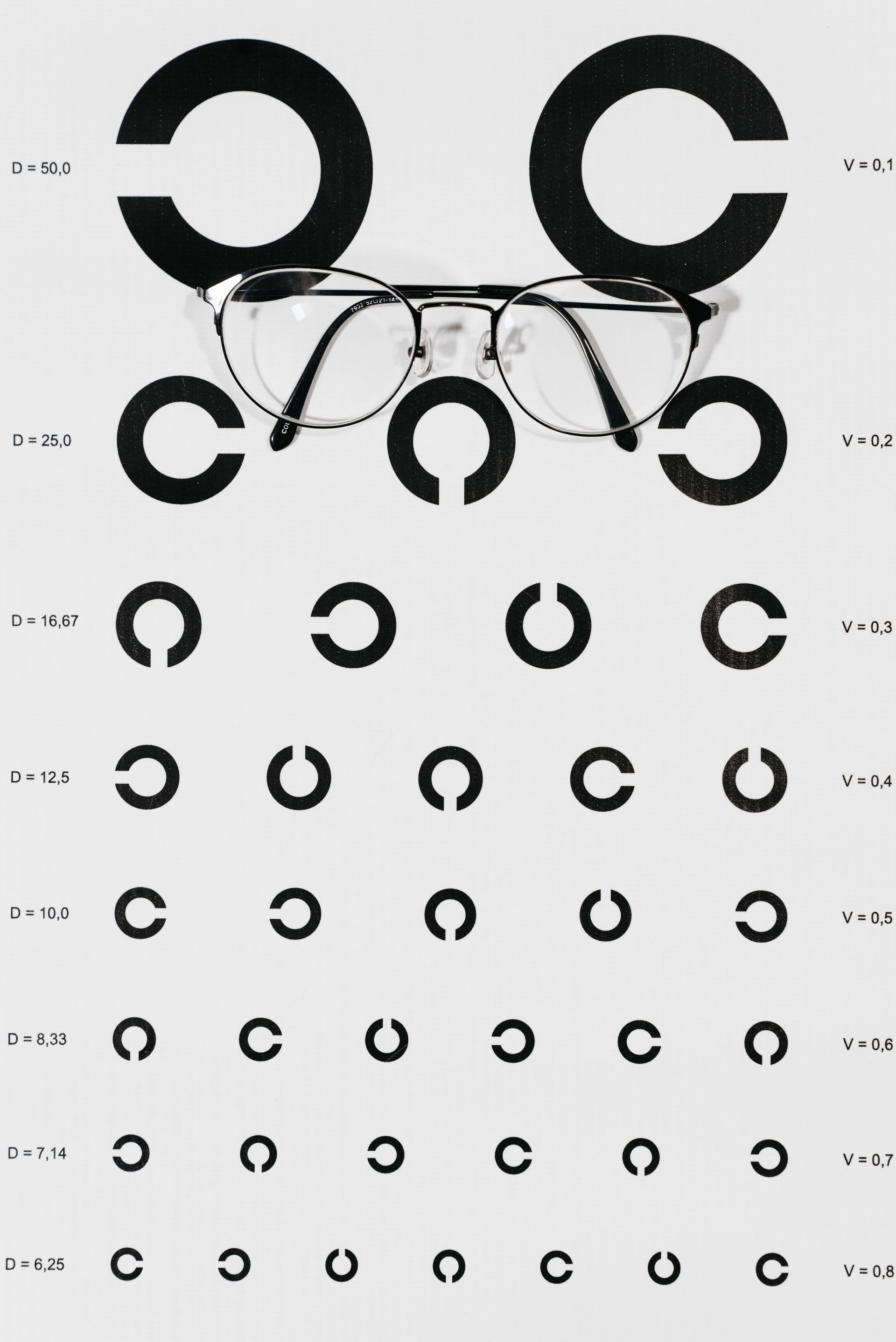
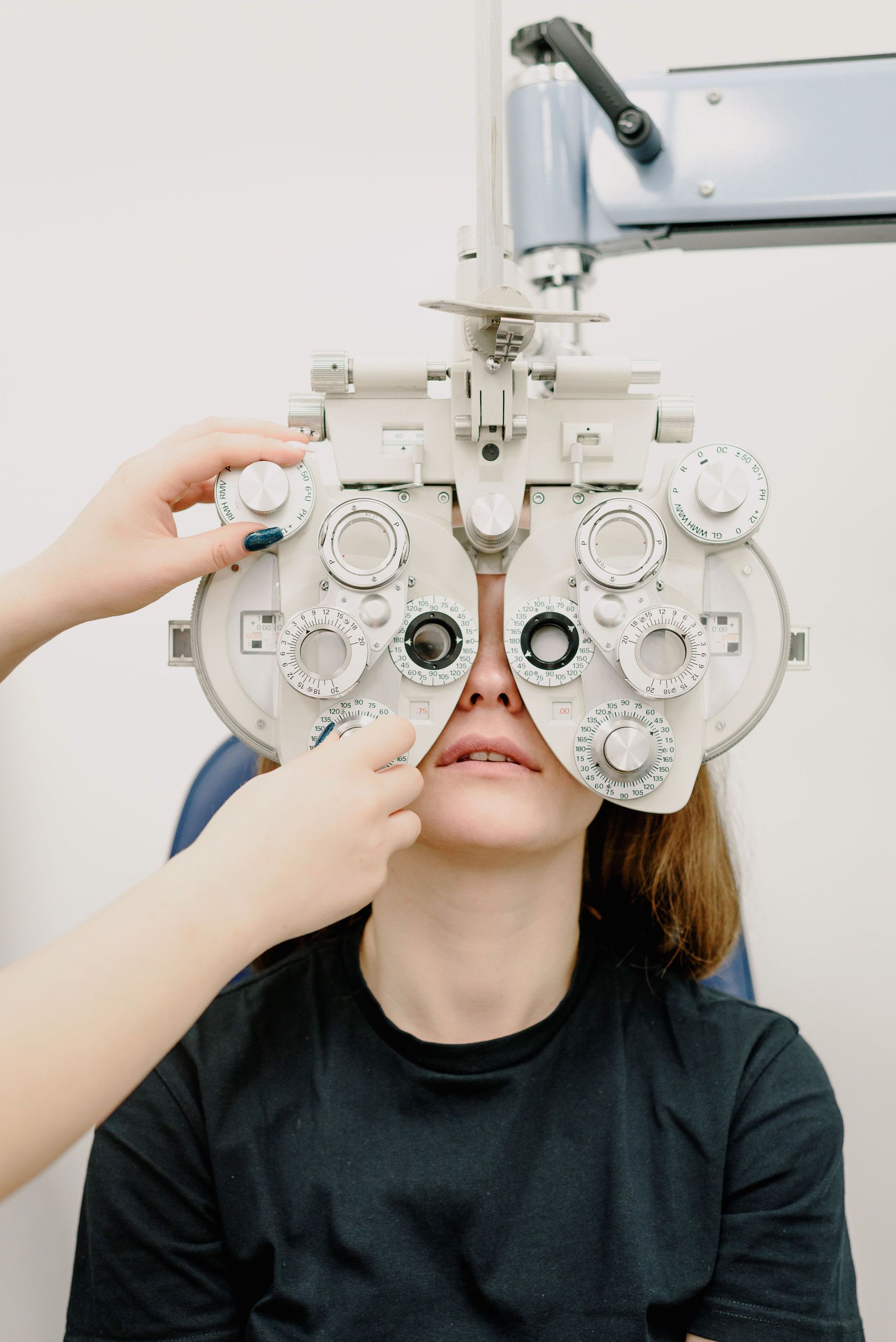
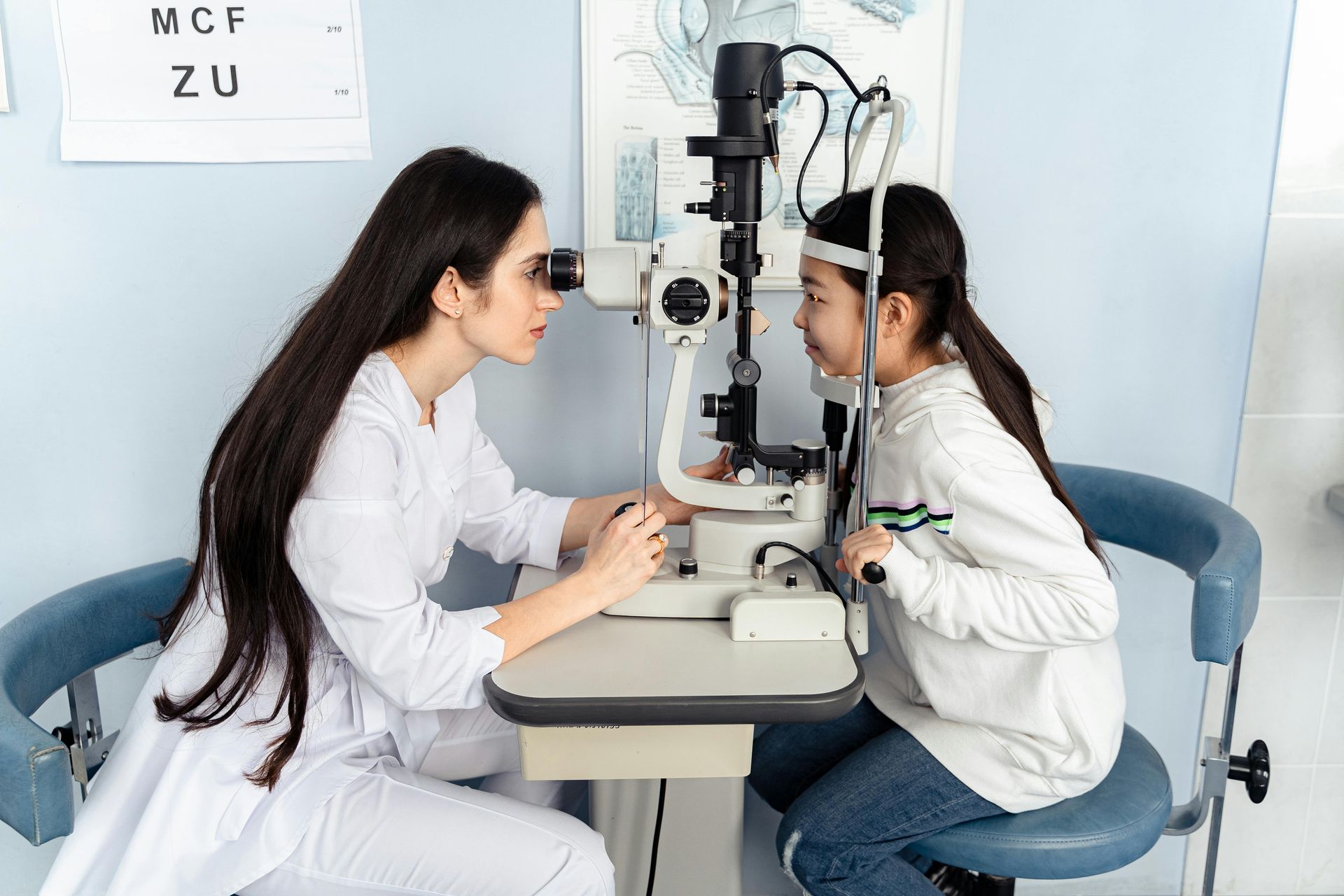
Reading a letter chart tells an optometrist whether a child can see clearly. But it does not tell them why or what is actually happening inside the eye. Modern diagnostic tools provide a much more detailed view of the eye's structure and function, helping practitioners identify issues more accurately.
Here is what makes a real difference in diagnosing paediatric problems:
- Zeiss Clarus Ultra-Wide Retinal Imaging: This technology allows optometrists to examine much more of the retina than standard retinal photography. It picks up early structural changes linked to myopia that a standard camera would simply miss.
- OCT Scanning: It helps clinicians examine the delicate structures inside the eye that cannot be seen during a routine eye examination. This is especially useful for children with amblyopia, strabismus, or a family history of retinal conditions.
- IOL Master 500: It measures the precise physical length of the eyeball at each visit. Because myopia progresses as the eye elongates, this method gives clinicians a clear, objective way to track progression and confirm whether treatment is actually working.
- Zeiss HFA 3 Visual Field Analyser: It maps peripheral vision loss that a child would never notice or be able to describe on their own. This information is important when there is any concern about glaucoma or neurological involvement.
All these tools make it possible to catch problems well before symptoms show up, and that is precisely when treatment works best
Conclusion
Most children’s eye problems are highly manageable when they are caught early. The challenge is that children rarely self-report vision problems, which means the responsibility falls to parents and to regular professional eye examinations.
Understanding what to look for at home and knowing when to seek clinical advice makes a significant difference to long-term outcomes.
If you have noticed any of the warning signs discussed above, or if your child is due for a routine eye examination, a professional assessment is the right step to take. You can visit the team at Nazarian Optometrists in Blacktown. Our focus is on providing a gentle, welcoming environment where kids feel comfortable while we thoroughly assess their vision and visual development.
To make eye care accessible for local families, comprehensive children's examinations are bulk-billed under Medicare, and we welcome all health funds.
You can easily secure an appointment by calling the clinic or booking online.
FAQs
How often should children have a paediatric eye examination?
Most optometrists recommend annual eye examinations for school-aged children, even if no vision problem has been identified. Children already managing a condition like myopia or amblyopia may need check-ups every six months.
What happens during an infant eye exam?
An infant eye examination does not require the child to read letters or respond verbally. Optometrists use specialised techniques, including light reflexes, visual tracking assessment, and pupil responses, to evaluate eye alignment and early signs of refractive error. These examinations are non-invasive and entirely suitable for very young children.
Can a common eye illness spread between children?
Viral and bacterial conjunctivitis are highly contagious and spread easily in schools and childcare settings through direct contact or touching communal surfaces. Allergic conjunctivitis is not contagious. If your child is diagnosed with infectious conjunctivitis, keep them home until symptoms resolve to reduce the risk of spread to other children.