According to the Australian Institute of Health and Welfare, more than 13 million Australians live with one or more chronic eye conditions. While many of these issues develop silently without you ever noticing, persistent soreness or pain behind the eyes may indicate anything from digital eye strain to an underlying eye or medical condition that requires professional assessment.
Whether your symptoms are related to prolonged screen use, headaches, sinus problems, or another condition, identifying the underlying cause is the first step towards appropriate treatment.
In this guide, we will break down the likely causes of why areas behind your eyes hurt, when to seek an eye examination, and the treatment options that may help.
Key Takeaways
- Pain behind the eye is usually a sensation caused by issues in the sinuses, muscles, or nerves rather than the eye itself.
- Digital eye strain, tension headaches, and sinus inflammation are the most frequent causes of pain behind the eyes.
- If the pain comes with vision loss, "halos" around lights, severe nausea, or sudden eye redness, you should seek professional diagnostic care immediately.
- The right treatment depends entirely on the root cause. It could be as simple as changing up your daily routine, or it might require prescription medication
What Does It Mean If Areas Behind Your Eyes Hurt?
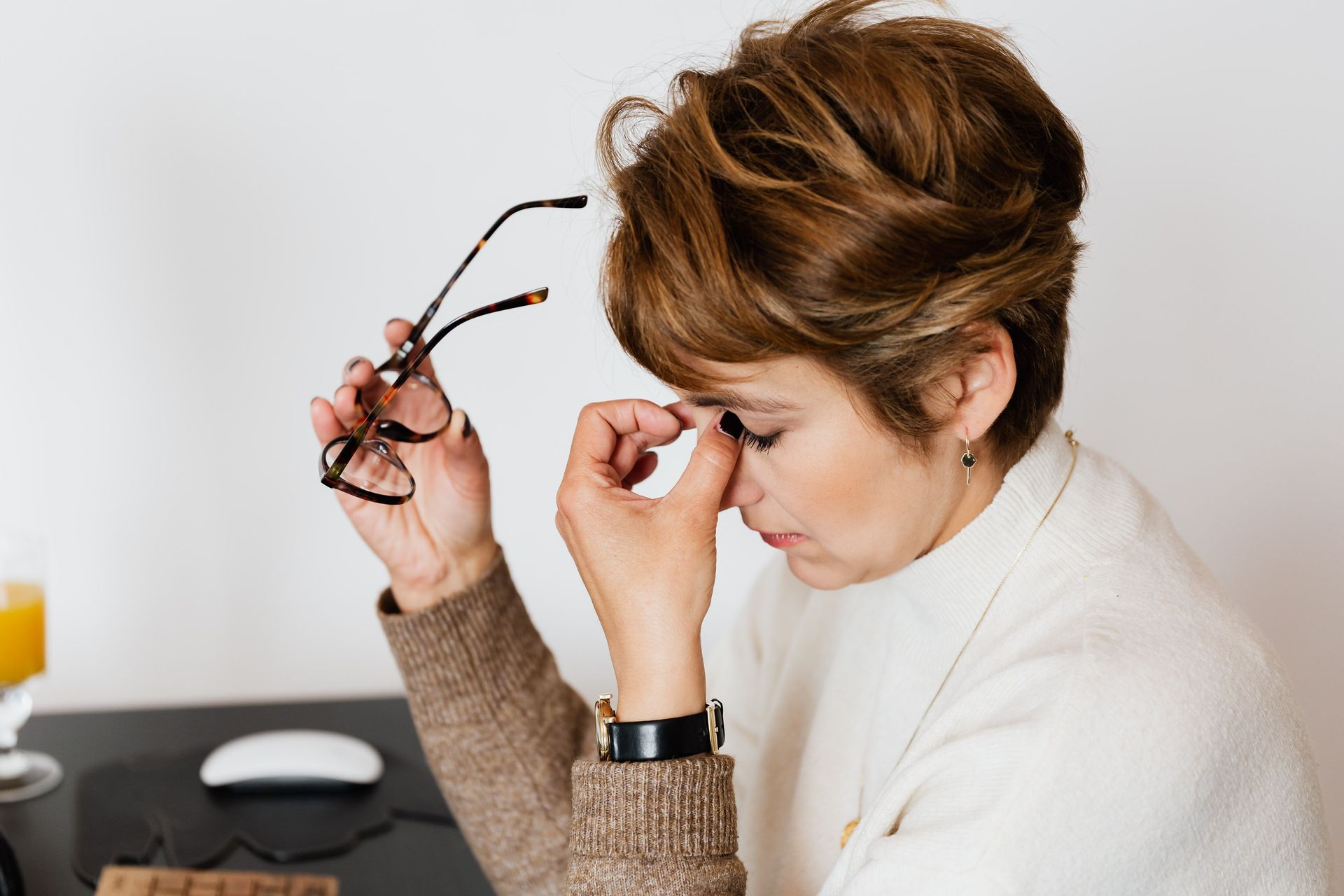
Pain behind the eyes is often referred pain, meaning the discomfort may originate from nearby muscles, nerves, or sinuses rather than the eye itself.
Think of your eye socket (the orbit) as a small, crowded room. It is packed with your eyes, the optic nerve, muscles, and blood vessels. Because the nerves serving your eye, your face, and your sinuses are all tangled up together, your brain sometimes struggles to pinpoint exactly where the pain is coming from.
We frequently see patients who come in terrified that they have a serious eye condition due to deep, throbbing pressure. Yet, after an exam, we often find their eyes are perfectly healthy. The real issue is actually a deep sinus infection or severe neck tension from a desk setup, mimicking eye pain.
So, if you are experiencing pain in and behind the eye, try not to panic; it is usually just your body’s way of asking you to help figure out the underlying cause.
What Are the Most Common Causes of Pain Behind the Eye?
Based on our experience, here are the most common reasons for pain behind the eye:
Digital Eye Strain
According to data from a UOWTV study, Australians spend up to 42% of their waking hours in front of a screen. With that much exposure, it is no surprise that digital eye strain is the most common cause of soreness behind the eyes.
When you stare at a computer or smartphone for hours, your ciliary muscles (the tiny muscles that help your eye focus) remain under continuous focusing demand and create dull, aching pressure behind the eye.
We recommend taking short, frequent breaks to interrupt this pattern and help your muscles to relax.
Headaches
Headaches are one of the most common causes of pain behind the eyes. This is because the main nerve causing your headache shares the same pathway as the nerves in your eye. When that nerve gets irritated, your brain signals the pain as coming from deep behind your eyes.
Here are the headache types that cause deep eye pain:
- Tension Headaches: Creating deep pressure behind the eyes.
- Migraines: Throbbing aches that frequently hit behind one eye.
- Cluster Headaches: Intense, piercing bursts of pain focused on one eye.
Sinus Infections
The sinuses are located directly behind and above the eyes. When they become inflamed due to a cold or allergies, they cannot drain properly. This creates increased pressure within the sinus cavities or pressure buildup that pushes directly against the back of the eye socket.
This is why you often feel the pain behind the eyes that worsens when you bend forward or move your head suddenly.
Dry Eye Syndrome
Chronic dry eye does more than make your eyes feel gritty. When your eyes aren’t producing a stable tear film, they are under constant stress to maintain a clear image.
This chronic irritation can cause a deep, aching fatigue that patients often mistake for socket pain, especially by the end of a long day.
Changes in Vision or an Outdated Glasses Prescription
When your eyesight naturally shifts, an old prescription forces your eyes to work much harder to stay in focus. An outdated prescription can force the eyes to work harder to maintain clear focus, leading to eye strain and discomfort.
As your eyes are fighting against the lenses every second of the day, it can easily trigger a deep pain behind them.
Eye Conditions That May Cause Pain Behind the Eye
While many causes are temporary, some specific eye health conditions that cause pain behind the eyes require medical intervention:
Glaucoma
According to the Centre for Eye Research Australia, Glaucoma affects approximately 300,000 Australians, without any early symptoms
However, acute angle-closure glaucoma causes a sudden, dangerous spike in eye pressure and may cause a throbbing pain deep behind the eye, alongside nausea and blurry vision. If you experience this, it is a medical emergency.
Optic Neuritis
This condition is an inflammation of the optic nerve. It causes pain behind the eye that specifically worsens when you move your eyes. It is often a signal of an underlying autoimmune response.
Uveitis
Uveitis is an inflammation of the uvea (the middle layer of the eye). This condition causes deep, throbbing pain in the eyes, significant light sensitivity, and often a visible redness.
Eye Infections
Orbital cellulitis is a serious infection of the tissues surrounding the eye. It can also cause soreness behind the eye, along with swelling and limited eye movement.
Elevated Eye Pressure (Ocular Hypertension)
High eye pressure that hasn’t yet caused glaucoma can still create a painful or heavy sensation behind the eyes.
Why Does the Pain Sometimes Affect Only One Eye?
One-sided pain is usually due to localised inflammation or specific neurological headache patterns. Because your nerve pathways split to serve each side of your face independently, a localised issue like a sinus infection or a migraine trigger will usually show up on only one side.
If a patient comes to our clinic with pain behind just one eye, we always test both eyes anyway. Comparing a healthy eye against the painful one is the fastest way to see if the issue is actually inside the eyeball itself or if the pain is just radiating from somewhere else.
When Should You Book an Eye Examination for Soreness Behind the Eyes?
You should book an exam if your pain is persistent or worsening. However, you should head straight to an emergency room or seek immediate medical care if your eye pain comes with:
- Sudden vision loss or significant blurring
- Seeing "halos" or rainbows around lights
- Severe pain following a physical injury
- Double vision
- Severe headache with vomiting
- Fever with eye swelling
- Noticeable changes, like a bulging eye or being unable to move the eye normally
(Note: If you are experiencing visual drops without severe pain, please refer to our patient guide: 18 Causes of Sudden Blurry Vision: Why Is My Vision Blurry?)
How Does an Eye Examination Identify the Cause of Pain in and Behind the Eyes?
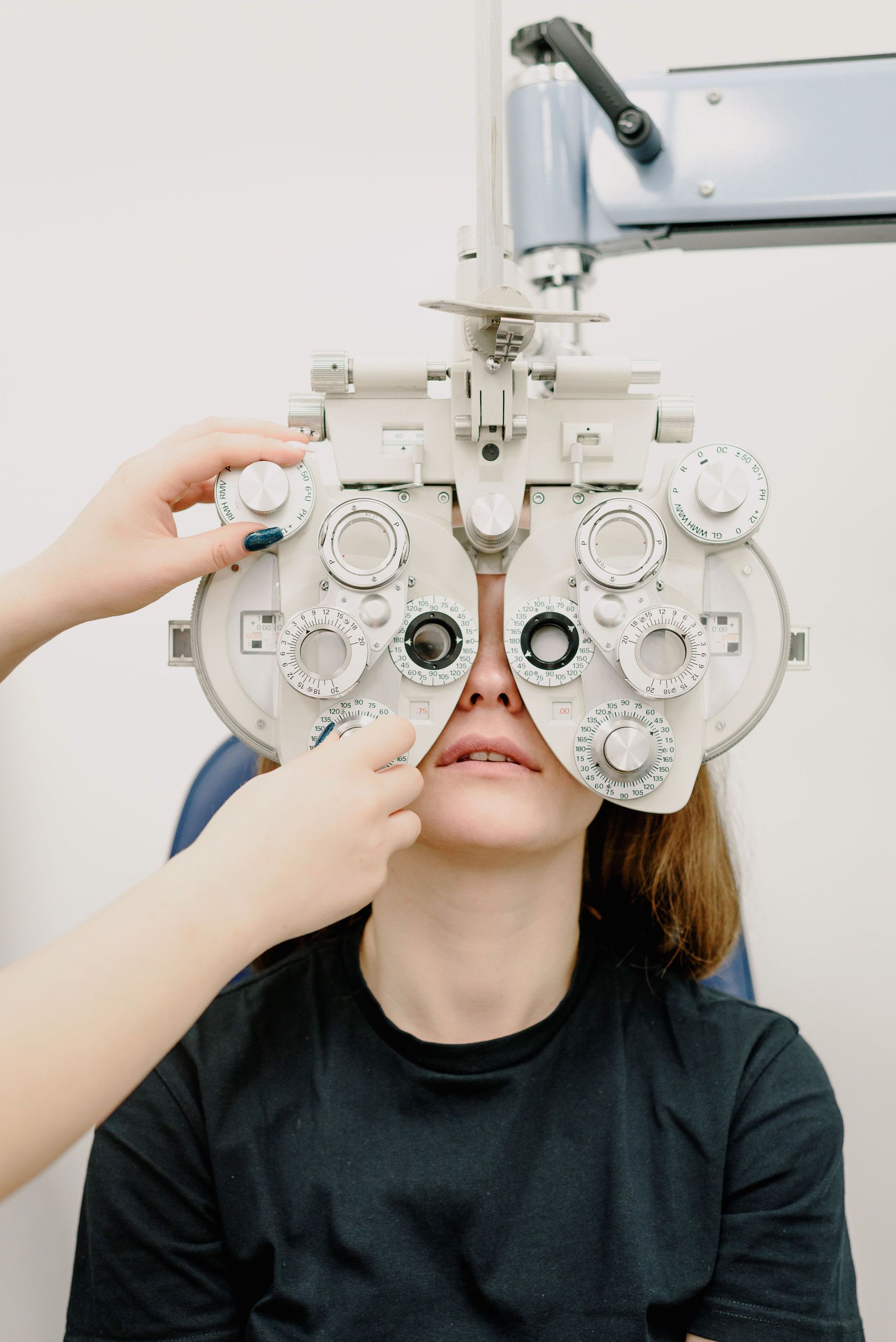
A thorough eye exam is the best way to figure out whether that deep ache is just everyday screen strain or a sign of an internal health issue. An optometrist will typically walk through these steps to identify the underlying cause:
- Reviewing Symptoms and Medical History
The process begins with a detailed conversation. By understanding your environment, computer habits, and other health issues, a practitioner can often identify the cause before starting the physical exam.
- Checking Vision and Prescription
Next, they will check your vision to verify if an outdated glasses prescription is forcing your eyes to overwork and causing that deep strain.
- Measuring Eye Pressure
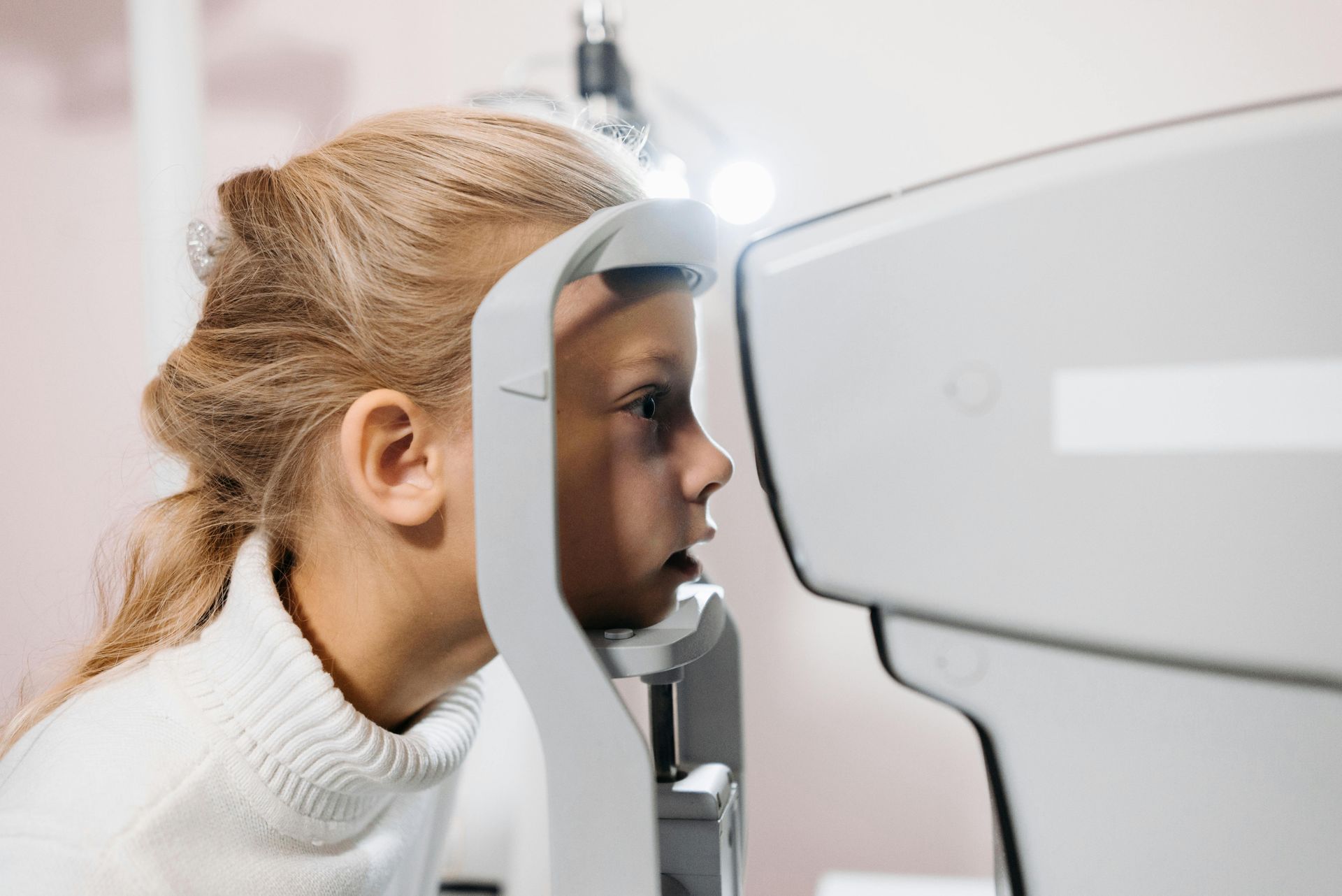
They will then check the pressure inside your eye. Measurement of eye pressure is crucial for ruling out conditions like glaucoma, which can cause sudden spikes in pressure and severe pain.
- Looking at the Retina and Optic Nerve
After that, the practitioner will use biomicroscopy to examine the back of the eye. They check the optic nerve for any signs of swelling or inflammation that could explain the pain.
- Explaining the Results and Treatment Plan
Finally, the optometrist will bring all these findings together. They will explain exactly what is causing the pain and give you a clear plan to fix it
(For a closer look at the advanced technology and equipment used during these steps, you can check out our guide:
What Tests Does the Optometrist Use in the Sight Test?)
How Is Pain Behind the Eye Treated?
Because there is no "one-size-fits-all" solution, treatment depends entirely on what is actually causing the ache. Here is how different causes are typically managed at our clinic:
| Cause | How it may be treated |
|---|---|
| Eye Strain | An updated prescription or anti-fatigue lenses. |
| Dry Eyes | Preservative-free lubricating drops and workspace tweaks. |
| Inflammation | Coordination with a GP or specialist for targeted medication. |
| High Eye Pressure | An individualised treatment plan to lower pressure and protect the nerve. |
Simple Ways to Relieve Mild Eye Strain and Eye Discomfort at Home

If your pain is caused by simple fatigue, these steps in your daily routine can help immediately:
- The 20-20-20 Rule: Take a break every 20 minutes to look at something 20 feet away for 20 seconds. This breaks the patterns of digital strain.
- Optimise Your Workspace: Try to match your screen's brightness to the light in the room around you to avoid eye strain.
- Warm Compresses: A clean, warm (not hot) cloth over closed eyes can help unclog eyelid glands and relax eye muscles.
- Blink More: We all forget to blink when staring at a computer or phone. Reminding yourself to blink a few times helps stop your eyes from drying out and stinging.
Conclusion
Pain behind your eyes is usually a sign that something is pushing your body out of balance. Once you start paying attention to whether the trigger is just screen strain or a deeper issue like a migraine, you are already halfway to figuring out how to recommend the most appropriate treatment or further investigation.
If the discomfort won't go away or starts making it hard to get through your day, don't just try to push through the pain. Get a professional opinion at an expert eye health centre like
Nazrain Optometrists to protect your eyesight and get back to feeling comfortable.
Frequently Asked Questions
Why do I have pain in the back of my left eye?
Pain behind one eye may be caused by migraines, sinus inflammation, cluster headaches, or certain eye conditions. However, if it is persistent, it is important to have a professional check-up to ensure there is no inflammation or pressure-related issue.
Is eye pain behind the eye always serious?
Not always, but it should be taken seriously if it is persistent. Many cases are simple eye strain, but because serious conditions like glaucoma or optic neuritis can present similarly, it is always recommended to have a professional check-up.
Can I use over-the-counter pain relief for eye pain?
You can use it for temporary comfort, but it does not treat the root cause. If you are taking pain relief medications for eye-related headaches regularly, go for an eye exam to identify why your eyes are under stress.