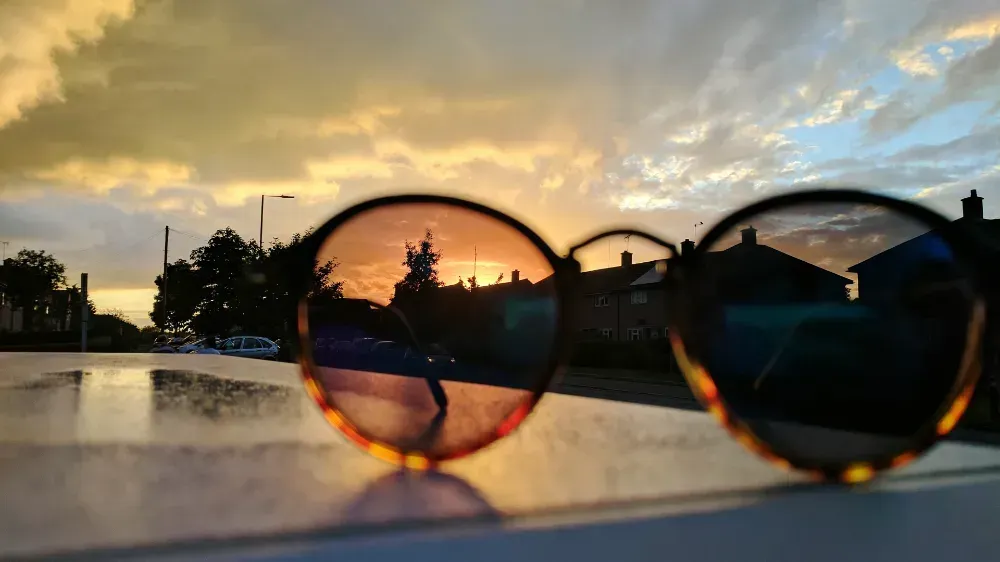
Have you noticed your eyes feel gritty and tired by mid-afternoon after working on a computer? If so, blue-light glasses have probably come up in your search for a fix. Based on current clinical evidence and our experience in optometry, blue-light glasses may make little to no difference in short-term eye strain from computer use.
Let's look at what blue light actually does to your eyes, what the latest clinical evidence says about whether filtering it helps, and what might really be behind that end-of-day eye strain. We’ll also explain the habits and lens options we recommend at Nazarian Optometrists, so you can focus on approaches that may actually improve your comfort at the computer.
What Is Blue Light and How Does It Affect Your Eyes?
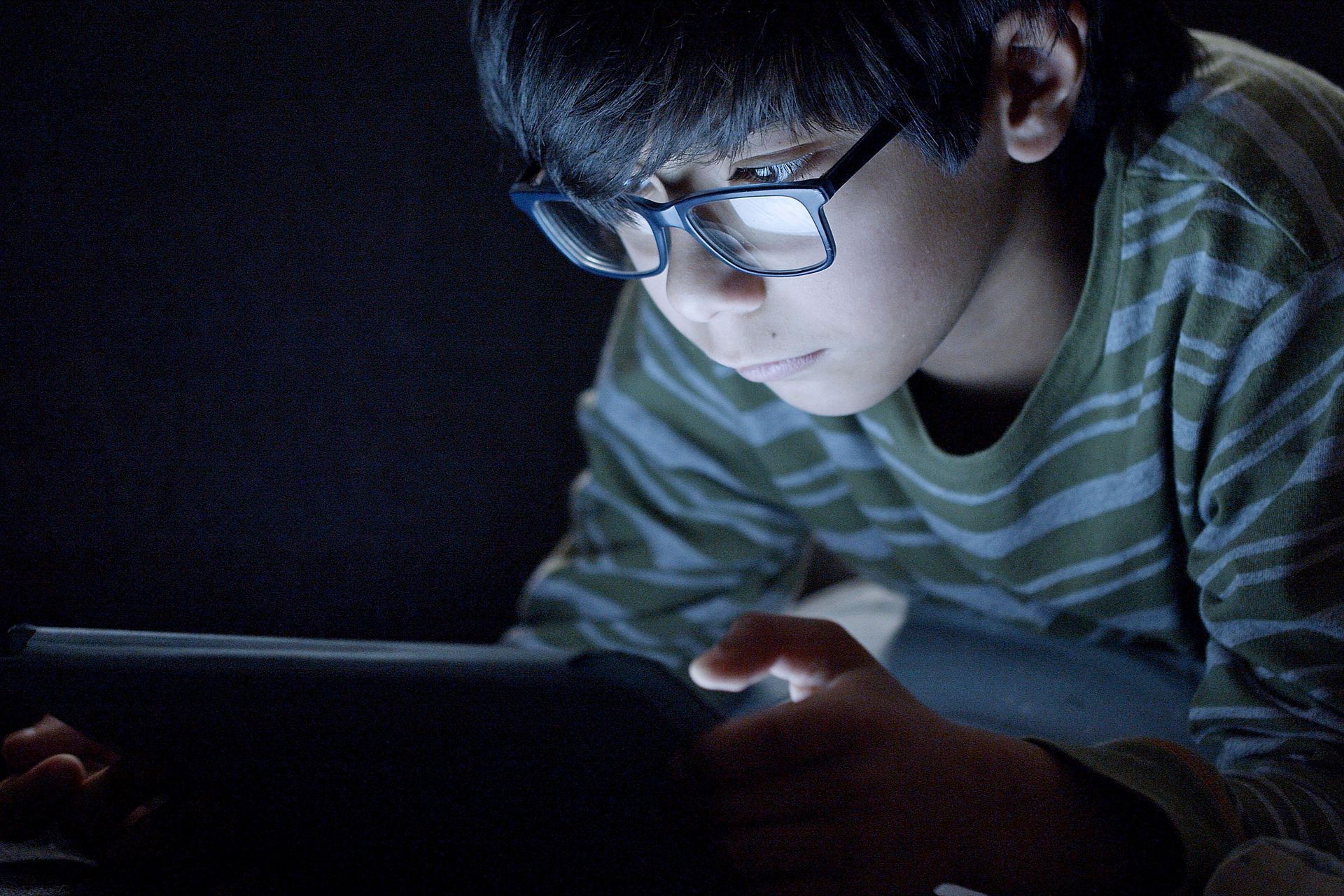
Blue light is a high-energy part of the visible light spectrum, with wavelengths of roughly 400 to 500 nanometres. You are exposed to it naturally every day, mainly through sunlight. Phones, computer screens, and LED lights also emit blue light, but at much lower levels than daylight.
The American Academy of Ophthalmology notes that blue light from a screen is roughly a thousandth of what you get from an ordinary day outside.
This relatively low exposure is why we don't consider standard screen time a major threat to your long-term eye health. However, light exposure in the evening can still affect your body clock. Blue light can suppress melatonin, a hormone that helps regulate sleep, which is why late-night screen use may make it harder to wind down.
What Do Blue Light Glasses Actually Do?
Blue light glasses use a coating or tint that filters part of the blue wavelength spectrum before it reaches your eyes. They do not block all blue light, and most commercial lenses only filter a small to moderate portion.
A lens filtering "some" light out of a source that was already a tiny fraction of your daily exposure is unlikely to change much. The maths simply is not in favour of a dramatic reduction in overall blue light exposure or computer-related eye strain.
What Does the Research Say?
In 2023, Cochrane published a systematic review of 17 randomised controlled trials from six countries comparing 619 participants. Cochrane reviews carry weight in medicine because they pool data from many independent studies rather than relying on a single small trial.
The finding was clear. There may be no short-term advantage of blue-light-filtering lenses in reducing computer-related eye strain compared with regular lenses. Evidence on visual acuity was limited, and effects on sleep remained unclear. None of the included studies measured retinal health, so no conclusions could be drawn on that point either.
Senior author Laura Downie from the University of Melbourne stated clearly that claims blue-light lenses reduce screen strain, protect the retina, and improve sleep are not supported by current evidence. Some people may prefer wearing blue light glasses, but personal preference is different from a clinically proven reduction in digital eye strain.
Why Do Your Eyes Feel Tired After Using a Computer?
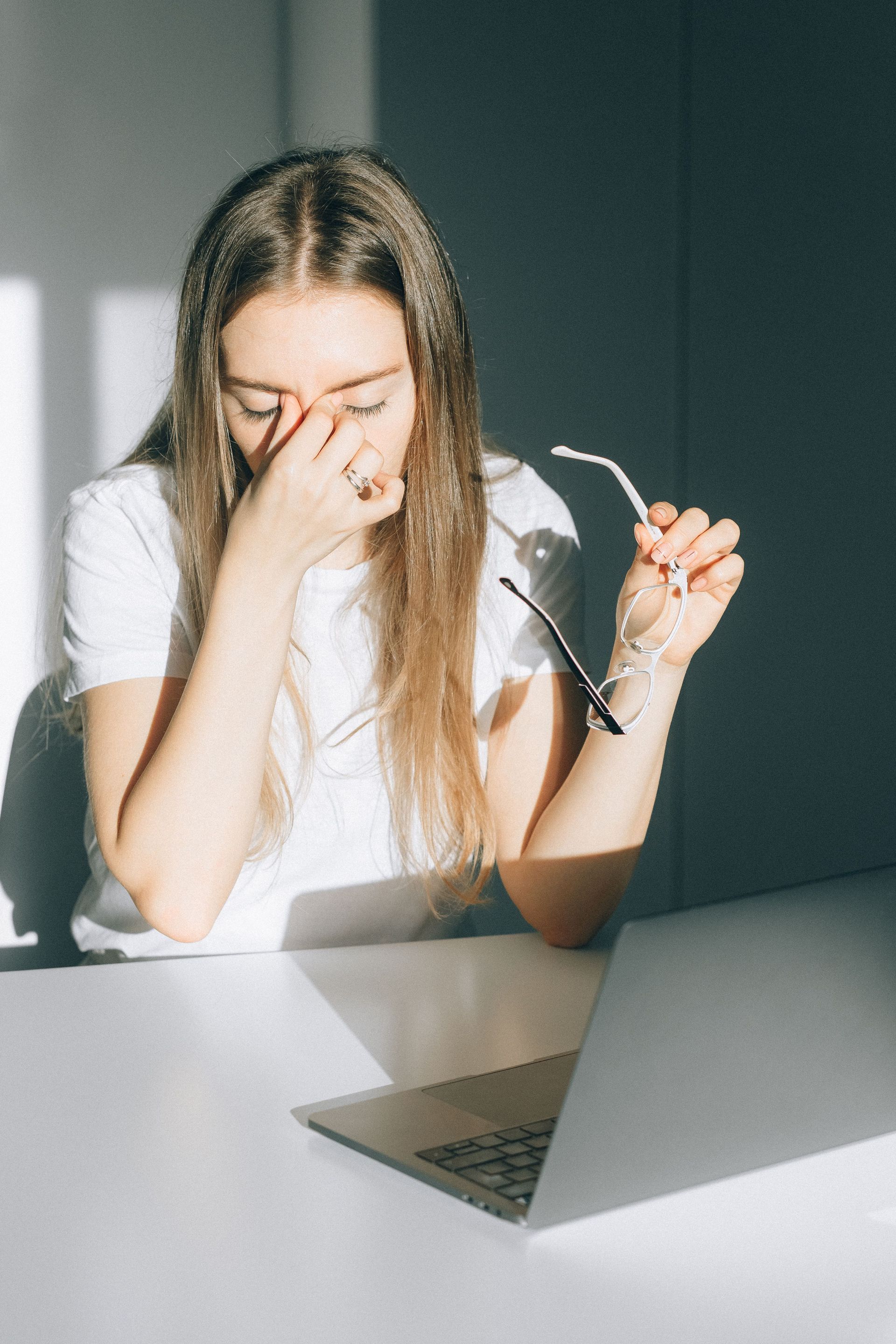
While assessing patients who experience eye strain after prolonged computer use, we observe symptoms such as tired or dry eyes, blurred vision, headaches, and difficulty focusing, even when blue light is not the underlying cause:
- Prolonged near focusing keeps your eyes' focusing muscles contracted instead of relaxing between tasks
- Reduced blinking dries out the surface of the eye
- Glare and reflections from lighting or windows force you to squint without noticing
- Poor viewing distance and brightness settings make your eyes work harder to adjust
- An outdated or unsuitable prescription can also contribute to eye strain, headaches, or blurred vision during computer work.
When you spend hours concentrating on a screen, you naturally blink less, hold a static focus distance, and battle glare from surrounding lights. These mechanical and environmental factors, rather than blue light, are almost always the primary source of discomfort. Addressing these root causes directly yields much better results.
Can Blue Light Glasses Protect Your Eyes From Screen Damage?
Blue light glasses have not been shown to protect the retina from screen-related damage. Importantly, the Cochrane review found no eligible trials measuring macular health, so it could not determine whether blue-light-filtering lenses provide retinal protection.
Normal screen exposure has not been established as a cause of retinal damage, and current evidence does not show that blue-light filtering glasses are needed to protect the retina during routine computer use.
Age-related macular degeneration is a genuine condition, but research does not support linking it to normal screen use. The real risk factors include:
- Age
- Family history
- Smoking
Myopia has both genetic and environmental influences. Research supports an association between more time outdoors and a lower risk of myopia in children, but blue light from screens is not established as the cause of myopia.
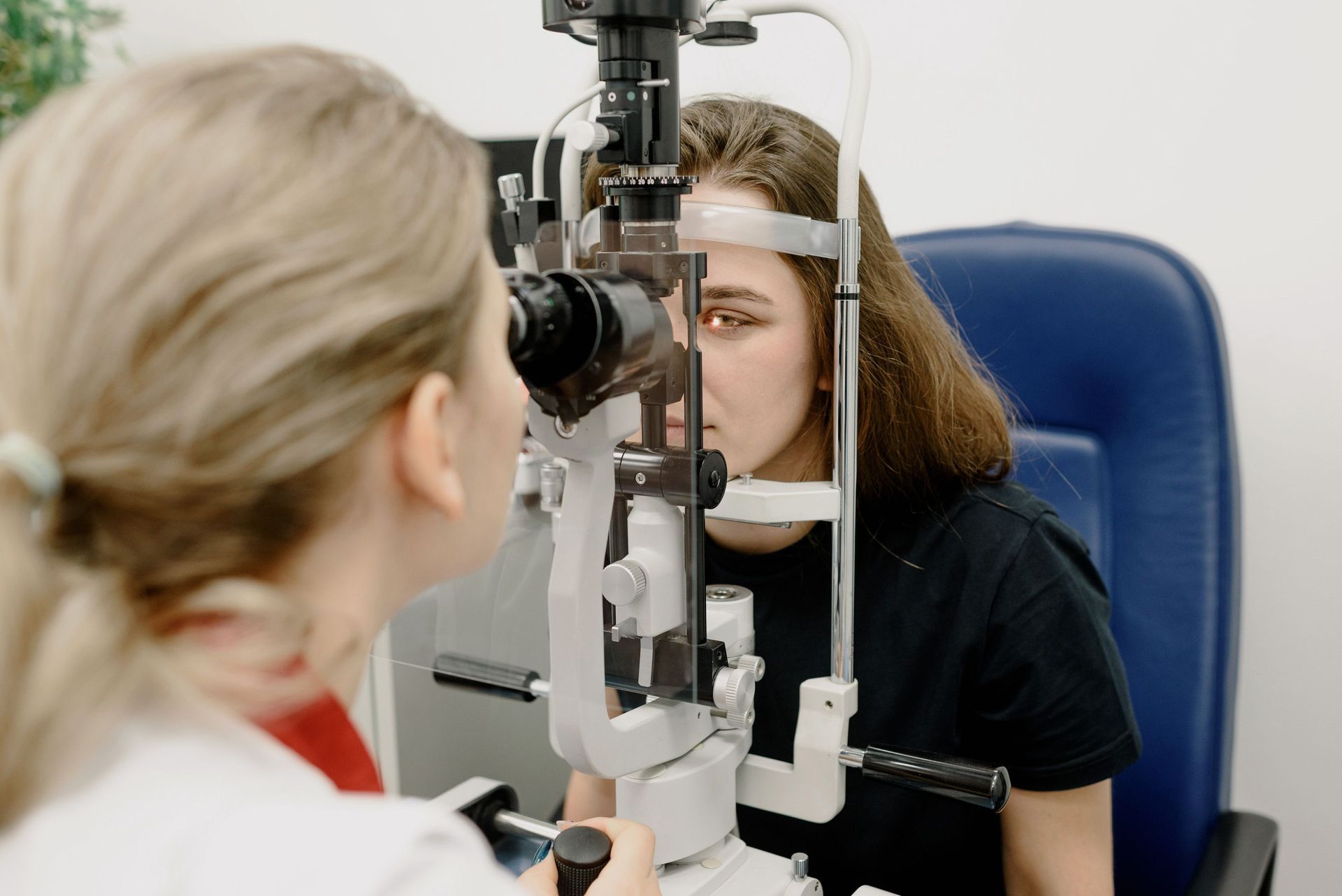
None of this means your screen habits don't matter; they directly impact your everyday comfort. However, our professionals believe, based on their experience, blue-light glasses shouldn't be marketed as a preventative health treatment. If you have a family history of macular degeneration or are simply due for a check, our comprehensive eye examinations use imaging technology built specifically to catch these conditions early, long before blue light ever enters the conversation.
Do Blue Light Glasses Help With Sleep?
The evidence around blue light and sleep is more nuanced than the evidence around computer eye strain. Evening blue light exposure does suppress melatonin and can delay your body's wind-down signal. That mechanism is well established.
The less clear evidence concerns whether wearing screen-protection glasses for a few hours before bed measurably improves your sleep. The Cochrane review found the evidence on sleep-related outcomes inconclusive.
If late-night screens interfere with your rest, we suggest starting with practical habits: reduce screen time before bed and stick to a steady routine. Glasses might play a small supporting role for some people, but we don't view them as a replacement for good sleep habits.
What Can You Do to Reduce Computer-Related Eye Strain?
Since blue light is not the main driver, here is what actually helps, tied to the causes above:
- Follow the 20-20-20 rule. Every 20 minutes, look at something 20 feet away for 20 seconds to let your focusing muscles relax.
- Blink deliberately and often to keep your tear film doing its job.
- Manage brightness and glare by matching screen brightness to the room and repositioning away from windows or overhead lights.
- Sit at a distance of roughly an arm's length, and increase the text size if you find yourself leaning in.
- Keep your prescription current. An outdated prescription can make prolonged screen work less comfortable and may contribute to headaches or blurred vision.
If these habits do not settle things after a couple of weeks, that is worth listening to. Persistent strain, headaches, or blurred vision are reasons to book an eye examination rather than try another pair of off-the-shelf glasses.
Are Blue Light Glasses the Same as Computer Glasses?

No, and mixing them up is a common point of confusion. "Blue light glasses" refers specifically to a coating that filters part of the blue spectrum. "Computer screen glasses" is a broad term that can encompass several features.
| Lens type | Main purpose |
|---|---|
| Blue-light filtering lenses | Filter selected blue wavelengths |
| Prescription lenses | Correct short-sightedness, long-sightedness, or astigmatism |
| Anti-reflective coating | Reduce reflections and glare |
| Computer/occupational lenses | Optimise focus for typical screen viewing distance |
An anti-reflective coating tackles glare directly through a mechanism entirely different from blue-light filtering. Occupational lenses are designed around a typical monitor distance, which differs from that of a general prescription.
If glare or focusing distance is contributing to your symptoms, an optometrist can assess whether an anti-reflective coating, occupational lenses, or a prescription adjustment may be more appropriate. Our lens options page breaks down coatings and upgrades like these so you can compare before your next visit.
Should You Get Blue Light Glasses for Computer Use?
The right answer depends on your actual goal:
- Preventing eye damage: blue light glasses are not proven to provide this, based on current evidence
- Tired eyes by end of day: address screen habits, glare, dryness, and focusing demands directly
- Blurred vision or headaches: this points toward something an eye examination should investigate
- General visual comfort: talk through prescription accuracy and lens options with an optometrist
If you prefer the visual experience of a blue-light filtering lens, you can discuss that option with your optometrist. Just keep your expectations realistic about what the coating has been proven to do. The point is knowing what it can and cannot do before you spend money expecting it to solve a problem it was never proven to fix.
Wrapping It Up
Current evidence provides little reason to recommend blue-light-filtering glasses specifically for computer eye strain. If your eyes regularly feel tired, dry, blurry, or uncomfortable at a screen, the more useful question is what is causing those symptoms.
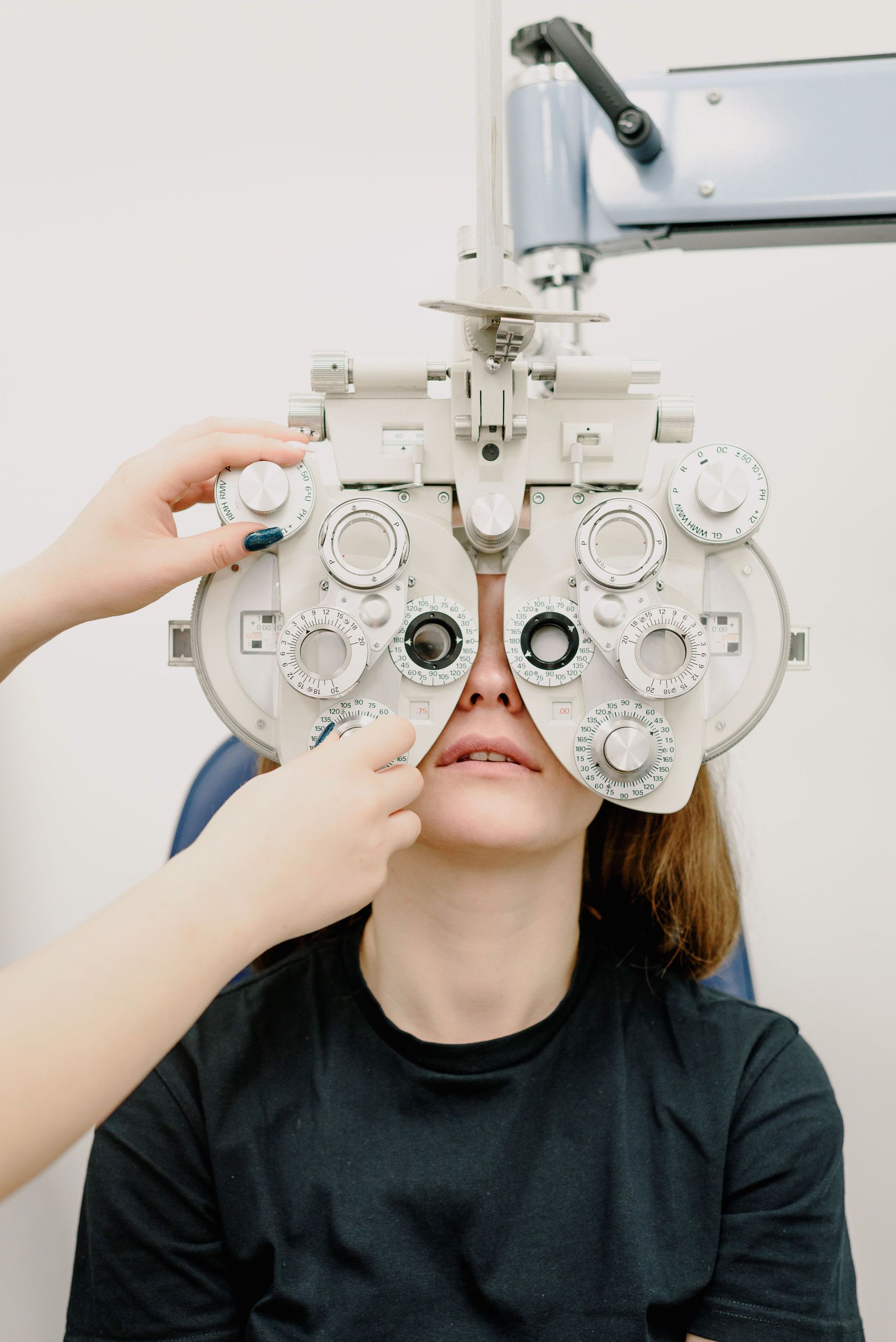
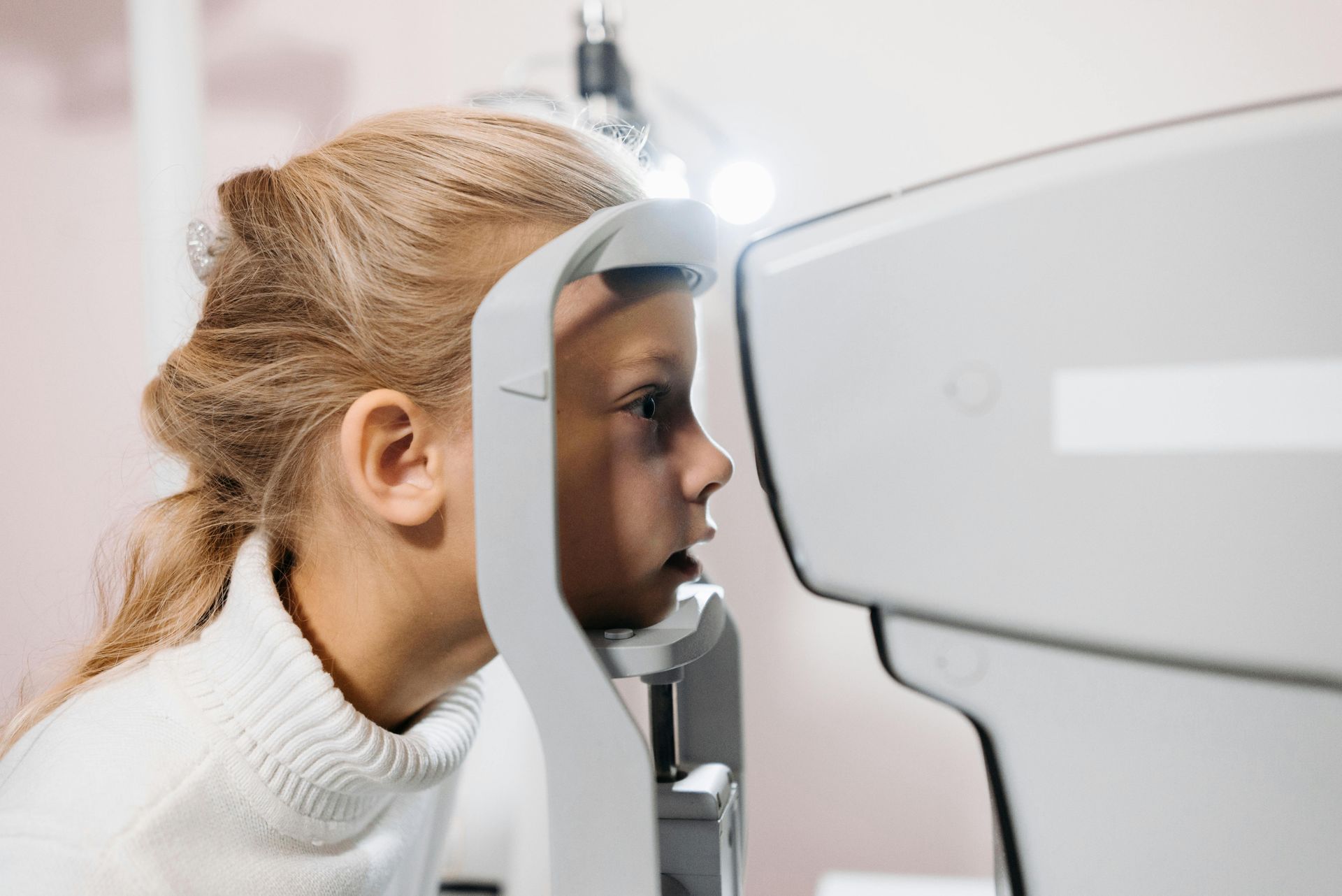
An eye examination can check your prescription and eye health while helping identify practical changes that may make computer work more comfortable.
At Nazarian Optometrists, we see this question come up regularly from patients working long hours at a desk across Western Sydney. Rather than reaching for a lens coating first, we would rather work out what is actually driving your discomfort. Our comprehensive eye examinations are bulk billed, and our in-house lens lab can turn around new glasses in as little as one hour if a prescription update is the answer.
Frequently Asked Questions
Can you wear blue light glasses all day?
Blue-light filtering glasses can generally be worn throughout the day if you find them comfortable, but there is no established medical need to wear them all day for routine screen use. Some people simply find the reduced brightness more comfortable for long screen sessions, though the decision comes down to preference rather than proven medical need.
Do blue light glasses need to be prescription?
Blue light filtering can be added to either prescription or non-prescription lenses. If you already need glasses to see clearly, combining the two makes more sense than buying a separate pair.
Can blue light glasses affect how colours look?
Some blue-light filtering lenses have a noticeable tint and may alter colour perception. The effect varies depending on how much blue light the lens filters, so this is worth considering if accurate colour perception matters for your work.
Are blue light glasses suitable for children?
Current evidence does not establish blue-light filtering glasses as a treatment for digital eye strain or myopia in children. If a child has headaches, blurred vision, eye strain, or concerns about myopia, an eye examination is a more useful starting point.
Do anti-blue-light glasses work without an anti-reflective coating?
The two coatings serve different purposes, so one does not depend on the other. Since glare is a common contributor to screen discomfort, pairing an anti-reflective coating with your lenses often addresses more of what bothers you than blue-light filtering alone.