If you have always worn glasses, switching to contact lenses can raise a lot of questions. You might wonder how such a thin lens corrects your vision, what it feels like on your eye, or whether contacts will fit comfortably into your daily routine.
Contact lenses work differently from glasses, but the basic idea is simple. They help focus light correctly on the retina while sitting directly on the tear film over your cornea.
This beginner’s guide explains how contact lenses work and covers the main types available. You will also learn how to choose the right lenses, insert and remove them safely, and care for your eyes while wearing contacts.
Key Takeaways
- Contact lenses sit on your tear film, right over the cornea, and bend incoming light so it focuses correctly on your retina.
- They move with your eyes as you look around, so you get a wider, unobstructed field of vision without frame edges or foggy lenses getting in the way.
- A contact lens prescription includes measurements like base curve and lens diameter that a glasses prescription simply doesn't cover, so one can't be substituted for the other.
- Daily disposable lenses can be a convenient option for beginners because you use a fresh pair each day and do not need to clean or store them overnight.
- Good hygiene is non-negotiable: wash and dry your hands before touching your eyes, never sleep in your lenses, and keep them well away from tap water.
What Are Contact Lenses?
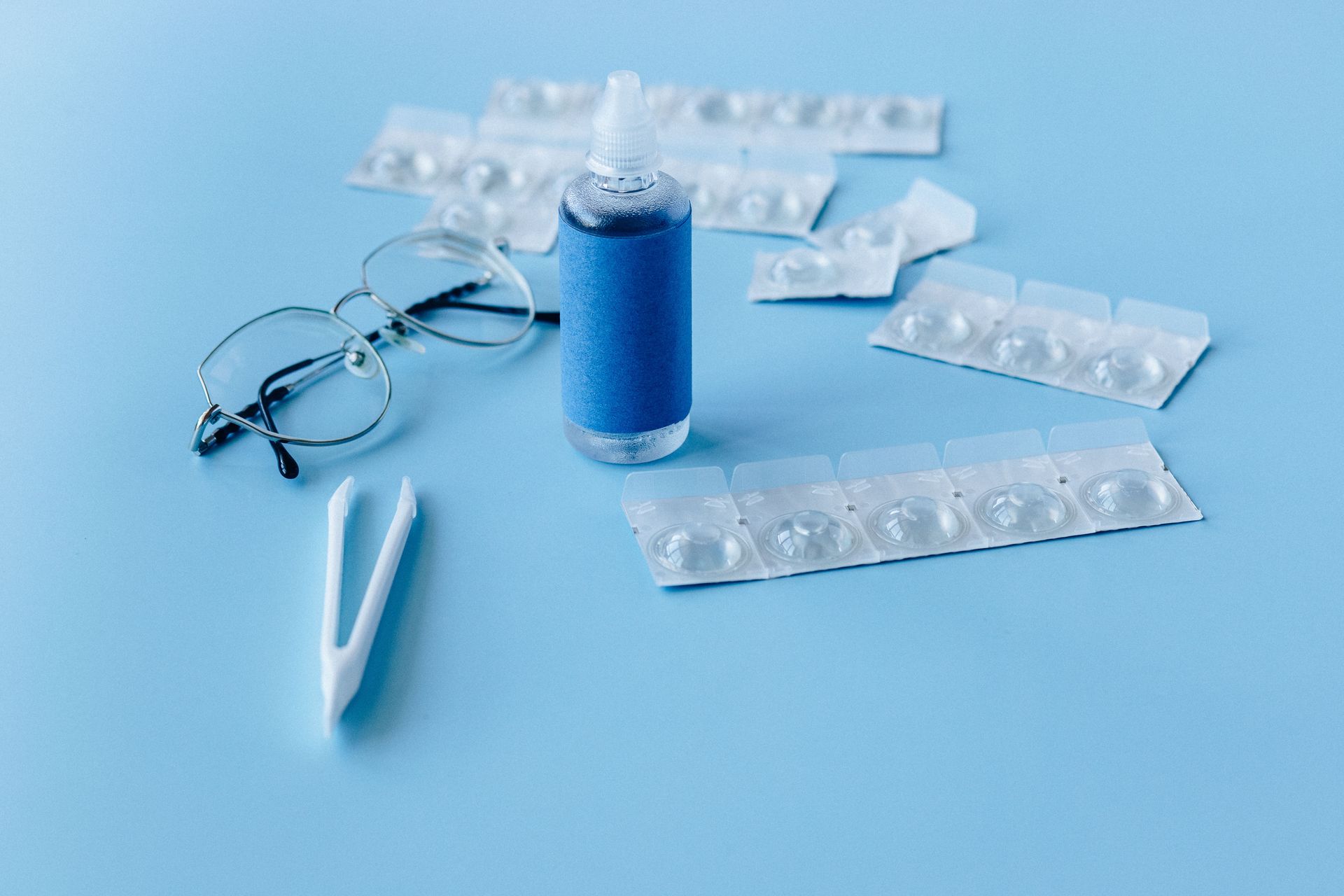
Contact lenses are thin, curved discs made to rest directly on the tear film covering the front of your eye. Most modern soft lenses are made from flexible, breathable materials such as silicone hydrogel, which let oxygen reach your cornea and help keep your eyes comfortable throughout the day.
People wear contacts for different reasons, such as:
- Correcting short-sightedness (myopia)
- Correcting long-sightedness (hyperopia)
- Managing astigmatism
- Correcting reading changes that come with age (presbyopia).
- Changing or enhancing their eye colour
Contacts are medical devices that sit on living tissue, so a proper fit and good hygiene habits are very important, regardless of the reason for wearing them.
How Do Contact Lenses Work?
To understand how contact lenses work, it helps to first understand how your eyes handle light in the first place.
In an eye with normal vision, light travels through the cornea (the clear window at the front of the eye) and the eye's natural lens, landing precisely on the retina at the back. When light hits the retina cleanly, your brain gets a sharp, well-defined image.
If your eyeball happens to be too long, too short, or slightly irregular in shape, that light lands just in front of or just behind the retina instead of directly on it, and that small offset is what causes blurry vision.
Here's how a contact lens corrects that:
Refract Light at the Surface
A contact lens changes the angle of light before it even reaches your eye. Its curve is shaped to correct your specific focus error, directing light so it converges exactly on your retina.
Move with Your Eye
Glasses stay put on your nose no matter where your eyes look, but contacts travel with your eye movement. That means your field of vision stays aligned with your gaze.
Float on the Tear Film
Lenses don't actually attach to your eye. A contact lens sits on the front surface of the eye with the tear film helping it stay lubricated and move slightly with each blink.
Maintain Oxygen Flow
Your cornea has no blood vessels of its own, so it depends on oxygen from the air around you. Silicone hydrogel lenses allow more oxygen to reach the cornea than traditional hydrogel lenses. Comfort and dryness still depend on factors such as lens fit, tear film, wearing time, and individual response.
Types of Contact Lenses for Beginners
Choosing your first pair of contacts can feel overwhelming, mainly because there are so many styles on optical shelves. To help you narrow down the right options for your lifestyle and needs, here is a quick look at how the most common lens types compare:
| Lens Type | How It Works | May Suit | Care Required |
|---|---|---|---|
| Daily Disposable Contact Lenses | Worn once for the day and discarded before bed | Beginners, busy lifestyles, sensitive or dry eyes | Minimal (no cleaning or storage cases) |
| Fortnightly and Monthly Contact Lenses | Worn daily, cleaned each night, and replaced every 2 or 4 weeks | Regular wearers looking for a budget-friendly option | Moderate (daily cleaning and storage in fresh solution) |
| Multifocal Contact Lenses | Combine multiple focal zones for near, intermediate, and distance sight | People experiencing presbyopia, usually after age 40 | Varies (available in daily or monthly options) |
| Coloured and Cosmetic Contact Lenses | Uses tinted design that alters or enhances natural eye colour, with or without vision correction | Occasional wearers or special events | Varies (available in daily or reusable options) |
Daily Disposable Contact Lenses
For most beginners, daily disposables are the easiest option to start. You put in a fresh pair each morning and throw them away after wearing them. No cleaning solutions or storage cases are required as every pair comes in sterile packaging.
Fortnightly and Monthly Contact Lenses
Reusable lenses are worn during the day, taken out before you sleep, and left overnight in lens solution. They require more care, but if you wear contacts regularly, they may be a more economical option than daily disposables.
Multifocal Contact Lenses
If you've noticed yourself holding a book or your phone further away just to read the text, multifocal lenses might be worth a look. They pack several prescription zones into a single lens so your eyes can shift smoothly between different activities. They are commonly prescribed for people over 40 who develop presbyopia.
Coloured and Cosmetic Contact Lenses
Coloured contacts can enhance or completely change your natural eye colour. Even if you only want coloured lenses for appearance, they still sit directly on the eye and should be fitted and supplied through appropriate eye-care channels. An optometrist can check whether the lens fits safely and advise you on correct wear and care.
How to Choose Contact Lenses for Your Eyes and Lifestyle
Getting the right lens is about picking the pair that stays comfortable all day and fits your weekly habits without creating extra hassle. Here is how you can make the right choice:
Consider How Often You Plan to Wear Them
Think about when you'll actually wear your lenses. If you want them every day from morning to night, monthly reusables or high-breathability daily lenses are excellent options.
If you only plan to wear them for weekend sports, nights out, or workouts, daily disposables offer total flexibility without worrying about solution dates.
Think About the Amount of Care You Can Manage
Be realistic with yourself. Reusable lenses require consistent care like rinsing and storing them in fresh solution every single night.
If you know you'll get lazy when you come home exhausted, sticking with daily disposables keeps things hassle-free and protects your eyes.
Factor in Comfort and Eye Health
Long hours in an air-conditioned office or staring at screens can dry your eyes out fast. Lens material is worth considering, as silicone hydrogel lenses allow high levels of oxygen to reach the cornea, but comfort varies by material, fit, and tear-film quality. Your optometrist can recommend a lens based on how your eyes respond.
Match the Lens to Your Prescription
Your optical needs will narrow down your choices quickly. Significant astigmatism or reading changes call for specialised geometries. Your optometrist will figure out which shape delivers the crispest, most stable view for your specific needs.
Why Do You Need a Contact Lens Examination and Fitting?
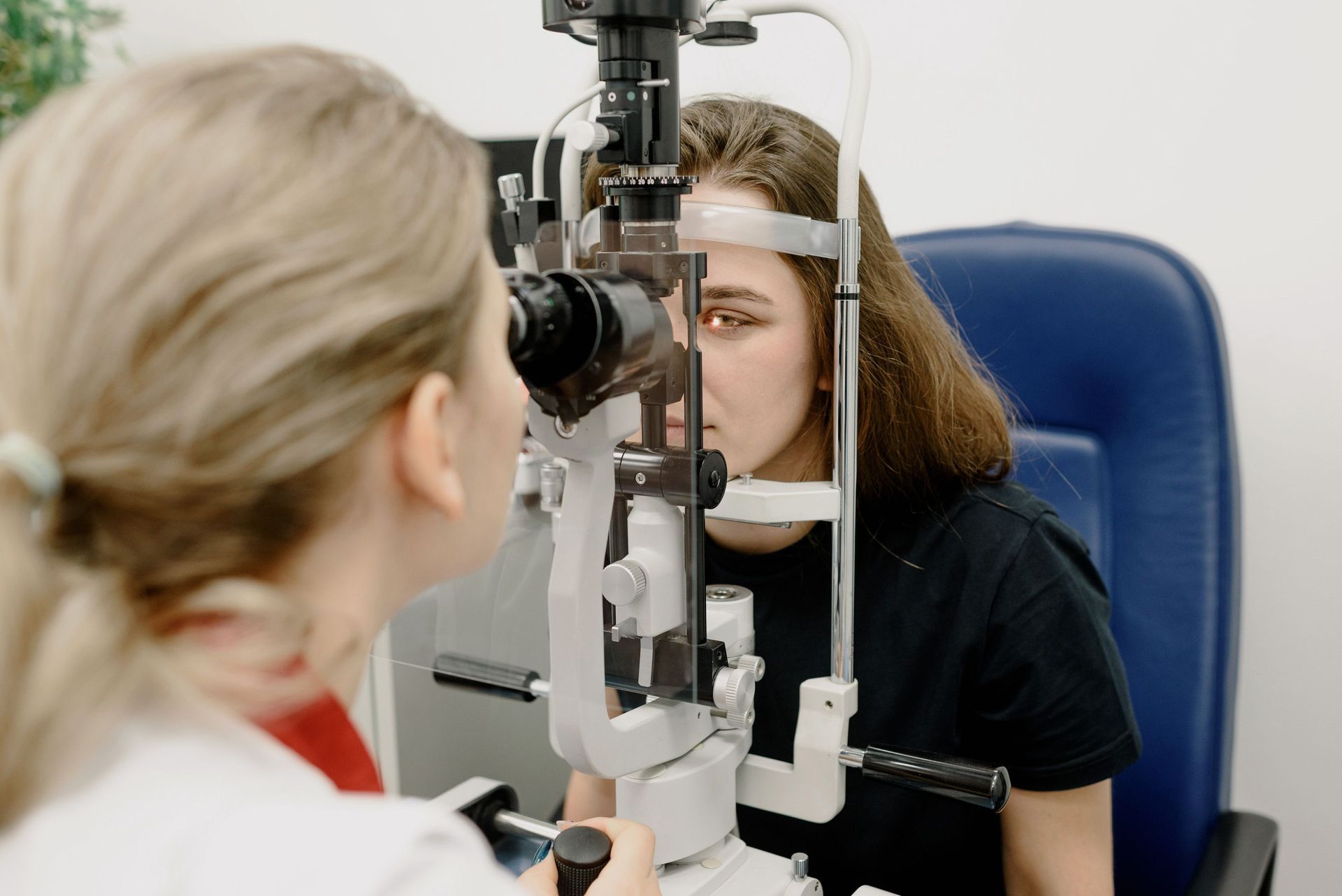
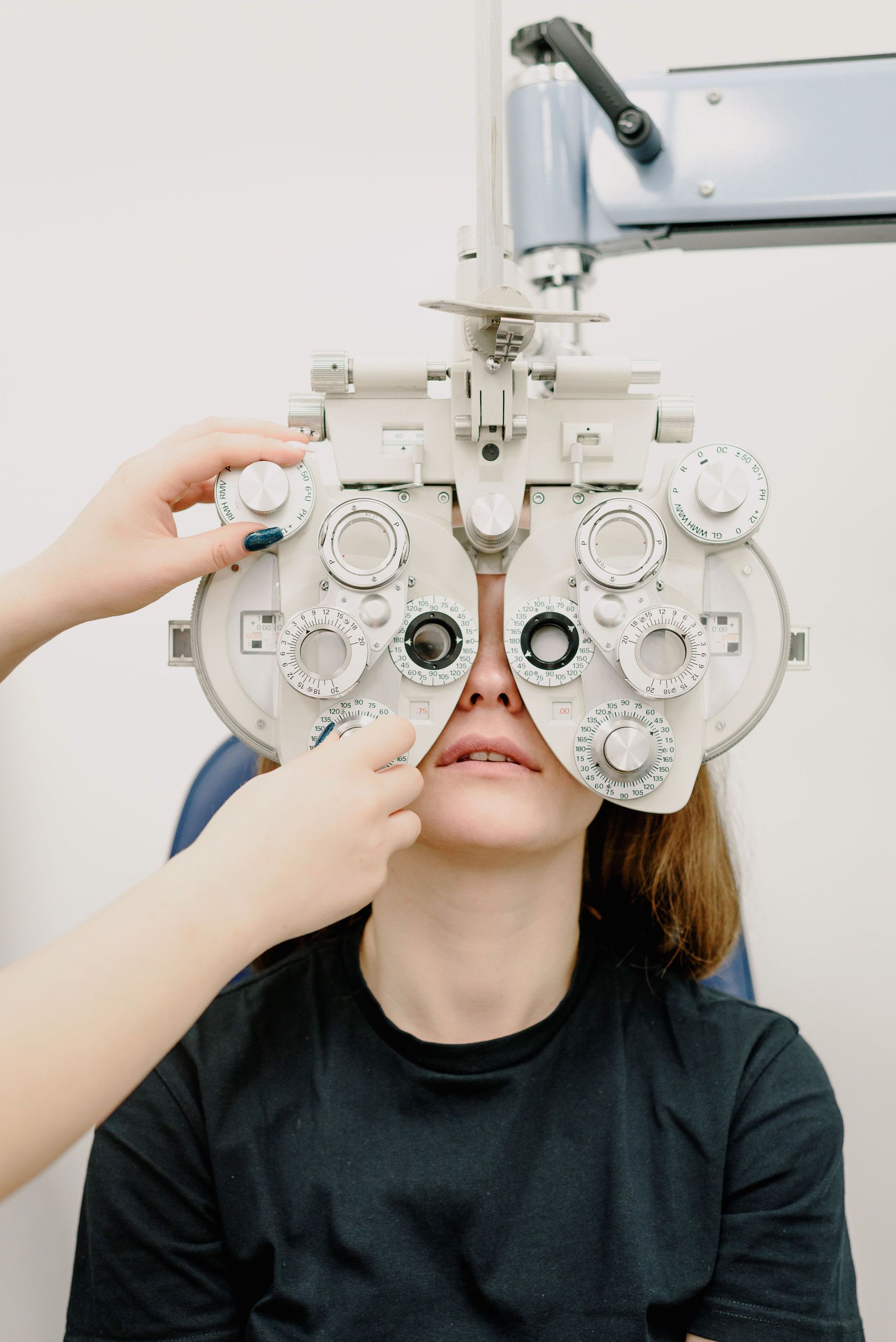
A standard eye test checks your vision using lenses held up in front of your face. A contact lens examination goes further by taking the measurements needed for contacts and assessing how a lens behaves once it is sitting on your eye.
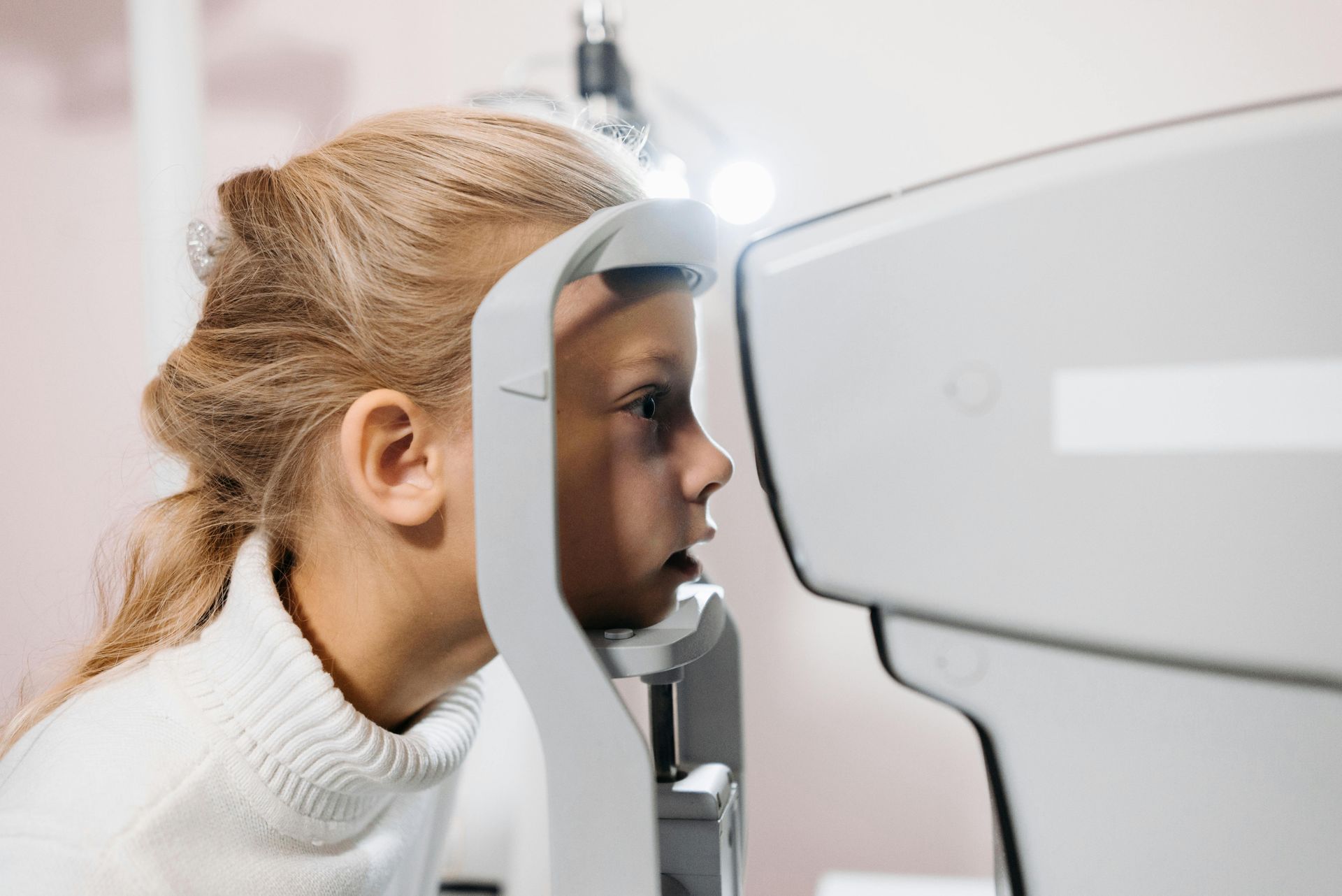
During a fitting test, your optometrist measures the curve of your cornea and checks your tear film to confirm your eyes are producing enough moisture. They may place a trial lens on your eye and examine how well it centres, covers the cornea, and moves as you blink.
This helps your optometrist assess whether the lens fits appropriately, moves as expected, and is likely to be comfortable and suitable for regular wear.
How to Put In Contact Lenses Safely
No, and mixing them up is a common point of confusion. "Blue light glasses" refers specifically to a coating that filters part of the blue spectrum. "Computer screen glasses" is a broad term that can encompass several features.
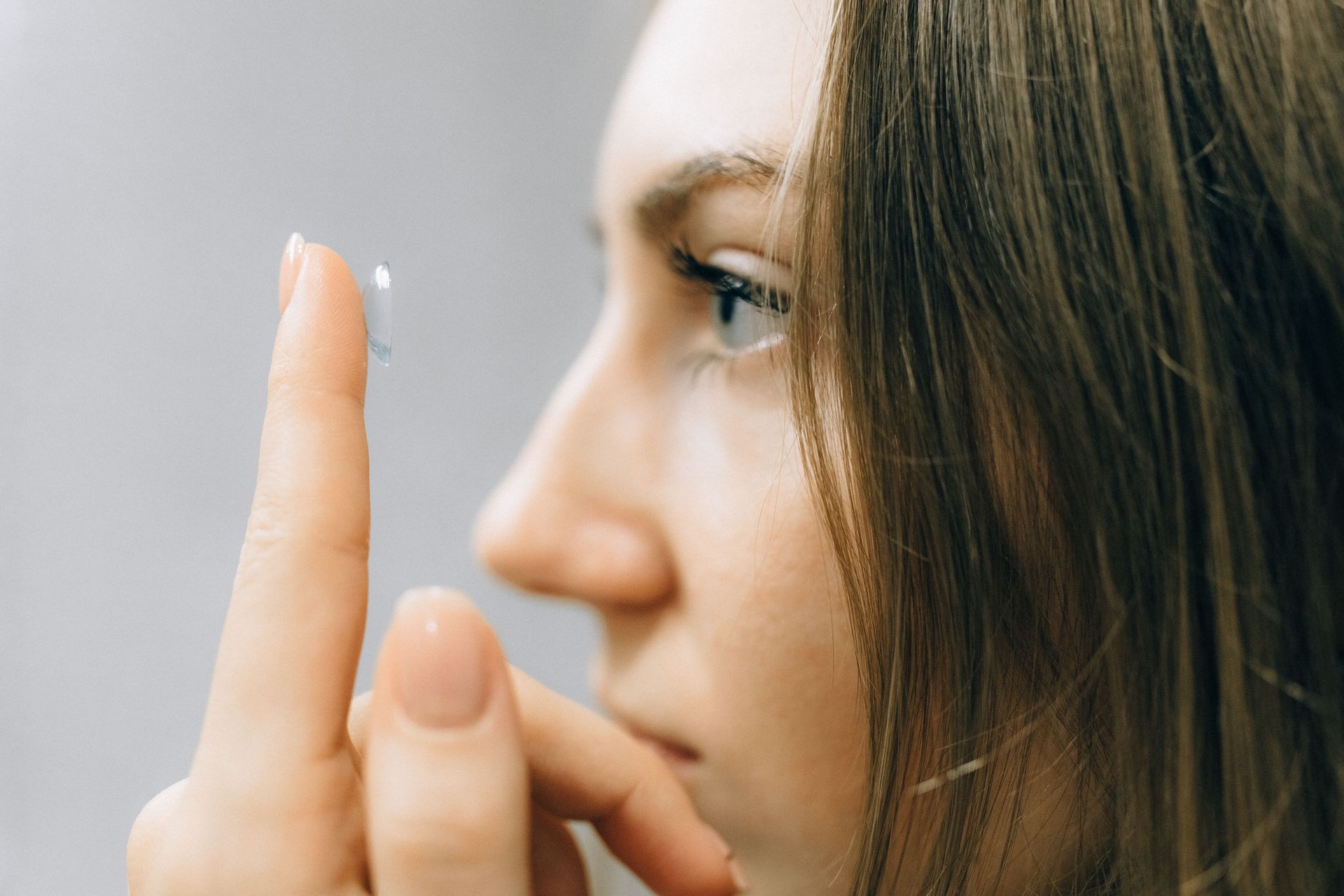
Putting in contacts for the first time takes a little patience, but it becomes second nature before long. You can follow these simple steps to insert them safely and comfortably every time:
- Wash your hands with plain soap and dry them fully with a clean, lint-free towel.
- Balance the lens on the tip of your index finger: a dry finger helps it release cleanly onto your eye.
- Check the lens from the side: it should form a smooth, bowl-like curve. If the edges flare outward like a saucer, it's inside out, so flip it.
- Pull your lower eyelid down with your middle finger, and use your other hand to hold your upper lid open at the lash line.
- Look straight ahead into a mirror and place the lens gently onto the centre of your eye, or the white area just below your pupil.
- Let go of your eyelids slowly and blink a few times so the lens settles into place on its own.
- Notice how it feels. If the lens feels scratchy or uncomfortable, remove it. For a reusable lens, clean and rinse it with the contact lens solution recommended for that lens before trying again. Replace a daily disposable lens with a fresh one.
How to Remove Contact Lenses Easily
Taking lenses out gets easier once you get comfortable touching near your eye. Here are the steps you can follow for a hassle-free removal:
- Wash and dry your hands thoroughly to avoid introducing bacteria.
- Look slightly upward into a mirror while pulling your lower eyelid down with your middle finger.
- Rest the pad of your index finger on the bottom edge of the lens.
- Slide the lens down onto the white of your eye, where it's less sensitive.
- Gently pinch the lens between your thumb and index finger pads to lift it away: never use your nails.
- You can throw it straight away if it's a daily disposable or place it in a clean case with fresh multipurpose solution if it's reusable.
Contact Lens-Related Mistakes Beginners Should Avoid
A few simple habits early on can save you a lot of discomfort down the line.
Sleeping in Your Lenses
Unless your optometrist has specifically prescribed overnight wear, do not sleep in contact lenses unless your eye-care provider has specifically prescribed them for overnight wear. Sleeping in lenses increases the risk of eye infection, even with highly oxygen-permeable materials.
Applying Makeup Before Your Contacts.
Always put your contacts in before applying eye makeup, and take them out before removing your makeup at night. This keeps powders, mascara, and creams from getting trapped under the lens.
Showering or Swimming with Contacts In
Water can cause soft lenses to change shape and stick to the eye. It can also expose the lens and cornea to microorganisms that increase the risk of serious eye infection. Take them out before you get in the water every time.
Wearing Contacts When Your Eyes Are Irritated
If your eyes are red, gritty, or producing unusual discharge, take the lenses out straight away and switch to glasses until things settle or until you can see an eye care professional.
Conclusion
Getting comfortable with putting lenses in and taking them out takes a little practice, but once you master the routine, wearing contacts feels like second nature.
If you ever want to check your vision or chat through which lenses might suit your daily routine, the team at Nazarian Optometrists is always here to help with a comprehensive eye exam.
Frequently Asked Questions
When can you get contacts?
Most teenagers and adults can wear contacts safely once they're managing good hygiene and the care routine that comes with it. Some children can wear contact lenses successfully, but readiness depends more on maturity, hygiene, and the ability to follow care instructions than on a specific age.
Can you use your glasses prescription for contact lenses?
No. Glasses sit around 12 millimetres from your face, while contacts rest directly on your cornea, so the power required can differ between the two. A contact lens prescription also includes structural measurements, like base curve and lens diameter, that a glasses prescription doesn't cover at all.
What to know before getting contact lenses?
Before you start, know that you'll need a dedicated contact lens fitting on top of your standard eye test. It also helps to feel comfortable touching near your eyes and to be ready to commit to a proper hand-washing routine every time you handle your lenses.
Are contact lenses safe?
Yes, when they're properly fitted by an eye care professional and looked after with good hygiene. Most problems people face come from over-wearing lenses, sleeping in them by accident, or letting them come into contact with tap water.