Have you ever received new glasses that matched your prescription but still felt uncomfortable? If so, the problem may not be with your prescription. It might be the incorrect measurement of your pupillary distance (PD). Yes, you heard that right.
According to Acibadem International, even a small error in pupillary distance could impact your visual comfort and the performance of your glasses. You may experience symptoms such as blurred vision, headache, or eye strain. So, instead of getting your prescription corrected, you should check if your PD measurement is correct.
But the question is, how can you measure your pupillary distance? Well, if you don't know about it, there is nothing to worry about. In this guide, we are going to tell you everything you need to learn about pupillary distance. So, let’s get started.
Quick Summary:
Pupillary distance is the measurement in millimetres between the centres of your pupils. It helps an optical dispenser position each lens correctly in front of your eyes. Adult measurements are often close to 63 mm, although individual values vary. Children usually have smaller measurements that change as their faces grow.
What Is Pupillary Distance?
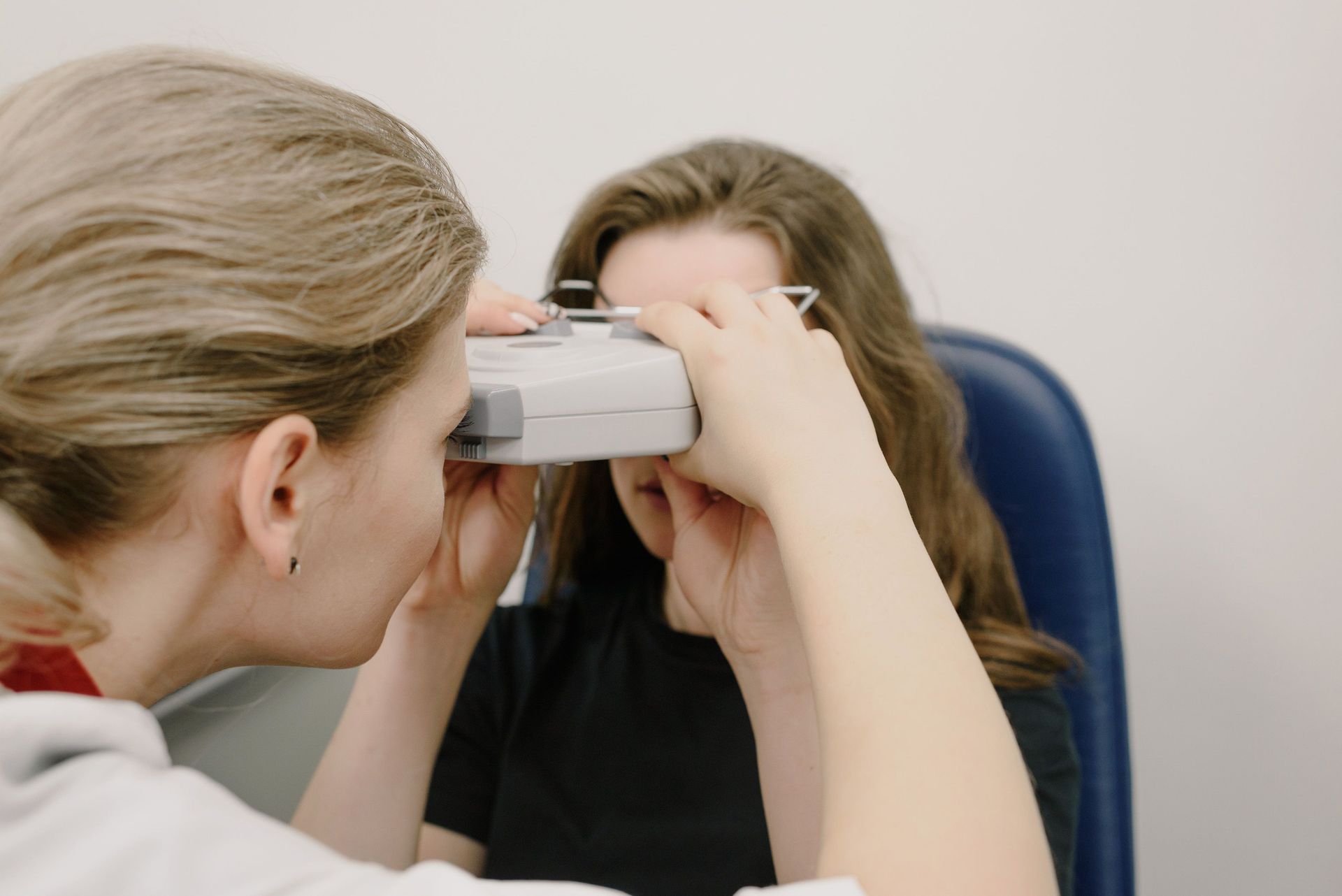
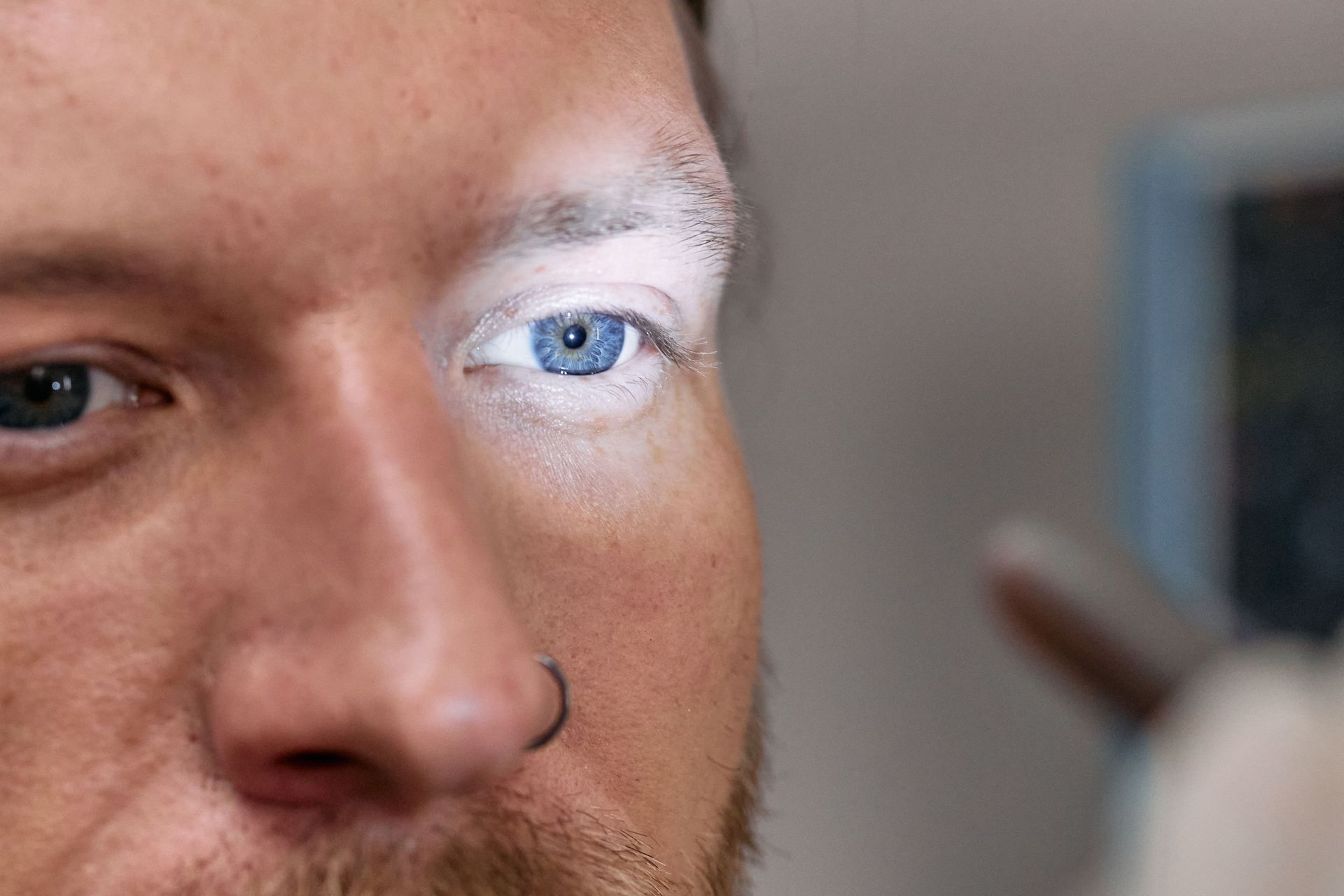
Pupillary distance is the horizontal measurement from the centre of one pupil to the centre of the other. Eye care professionals record it in millimetres. PD has nothing to do with how strong your prescription is. Your sphere, cylinder, and axis values describe the optical correction in each lens. Your PD helps the dispenser position the correction accurately relative to your eyes.
An adult’s distance PD tends to remain fairly stable because the basic structure of the face no longer changes significantly. Two people with the same written prescription may require different lens positioning because their PD measurements and frame fittings differ. On the other hand, a child's PD may change as the head and facial features grow.
Single vs. Dual Pupillary Distance: What Is the Difference?
The pupillary distance on your prescription can be of two types. The first one is a single PD, and it provides a single total measurement across both pupils. In simple terms, it measures the total millimetre distance between your right pupil centre and your left pupil centre.
Dual PD, in contrast, gives a separate measurement for each eye. It measures each eye from the bridge of your nose, which provides higher precision for complex prescriptions. Another difference is that it appears differently on your prescription than single PD does.
For example, a single PD may appear as:
64 mm
A dual PD may appear as:
Right eye: 31 mm
Left eye: 33 mm
A dual PD may also be written as 31/33, where the first number represents the right-eye measurement and the second represents the left-eye measurement.
Progressive lenses usually require more than PD alone. The dispenser may also measure the vertical fitting height and assess how the selected frame sits on your face.
Here is a quick comparison of single and dual PD:
| Feature | Single PD | Dual PD |
|---|---|---|
| Measurement | Total distance between both pupils | Separate distance for each eye from the bridge of the nose |
| Number of Values | One | Two |
| Best For | Basic single-vision glasses | Progressive lenses |
| Example | 64 mm | 31 mm / 33 mm or 31/33 |
Why Does Accurate PD Matter for Your Glasses?
There's a reason your optician measures your pupillary distance. It dictates the exact focal point of your lenses, directly impacting how clear your vision is and how comfortable your glasses feel throughout the day. Here is why accurate PD matters:
Optimal Vision and Comfort
When your PD is accurate, light travels through the optical centre of each lens straight onto your retina, giving you sharp, undistorted vision. Clinical research on fitting spectacles confirms that even the pupil position needs to be marked precisely on the lens so a wearer looks through the correct zone for distance and near vision, particularly with progressive designs.
Prescription Strength
Accurate lens centration becomes more important as prescription strength increases. That’s another reason why it matters so much. Normally, a one- or two millimetre mismatch on a mild reading prescription might barely register. That same error on a strong minus or plus prescription bends light noticeably off course, and your eye muscles end up working overtime just to hold a single clear image together.
Specialised Lenses
When it comes to specialised lenses, such as bifocal, trifocal, and progressive lenses, pupillary distance becomes even more important. These lenses contain multiple vision zones, so each zone must align precisely with your pupils. An incorrect PD can make it difficult to focus at different distances and can also lead to blurred vision.
How to Measure Pupillary Distance (PD) at Home?
You can estimate PD at home with the help of a millimeter ruler, a mirror, or another person. However, remember that home measurement is best suited for basic single-vision glasses.
Below are three different options to measure pupillary distance on your own:
1. Measuring PD on Your Own
To measure your pupillary distance on your own, make sure that your room is well-lit. Then, follow the steps below to measure accurately:
- Stand about 18 inches away from the mirror.
- Hold a millimetre ruler horizontally against your brow or just above your eyes.
- Close your right eye.
- Align the zero mark with the centre of your left pupil.
- Keep the ruler still.
- Open your right eye and close your left eye.
- Read the number aligned with the centre of your right pupil.
- Record the measurement in millimetres.
- Repeat the process at least three times.
Finally, you can add all three readings and take their average to get the most precise number.
2. Measuring PD With Your Friend
If you don’t feel comfortable taking your PD measurements, you can also get help from your friend or family member. In fact, a second person can better measure your pupillary distance. Here is what you need to do in this method:
- Sit or stand at the same height as your helper.
- Maintain an 18-metre distance from them.
- Look at a distant object behind them.
- Ask the helper to hold a millimetre ruler across your brow.
- They should align zero with the centre of one pupil.
- They should read the mark at the centre of the other pupil.
- Repeat the measurement several times.
- Record the most consistent result.
Just like the above method, you should compare the readings and use the most consistent result.
3. Measuring PD With Online Tools
If you don’t want to make manual efforts to measure your pupillary distance, there is an automated method. Some optical websites and mobile applications use a camera and a reference object, such as a bank card, to estimate PD.
These tools may provide a convenient starting point, but their accuracy depends on camera angle, lighting, head position, software calibration, and user instructions.
Here is how you can improve the consistency of an online estimate:
- Stand in front of your computer webcam in a well-lit area.
- Hold a plastic card with a magnetic strip against your forehead below your eyes.
- The software detects the card's edges to determine scale and measures the distance in pixels.
- Review the final millimetre output before submitting it to your retailer.
Expert Note: PD measurements taken by online tools or apps are not as accurate as those taken by a professional. If you are investing in premium or multifocal lenses, a professionally measured PD will give you more comfort and confidence in the final fit.
When Should You Have PD Measured Professionally?
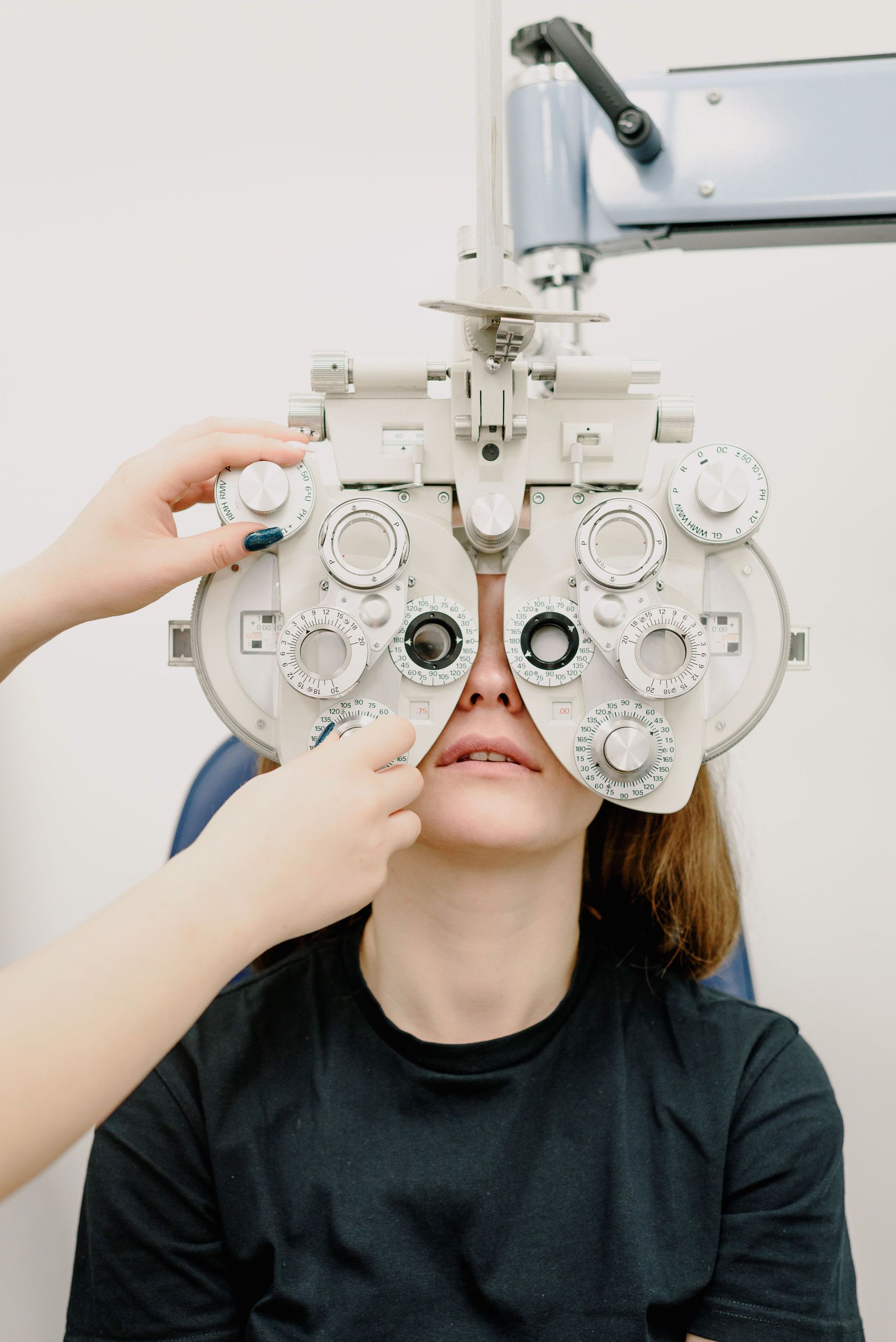
While you can estimate your PD at home, it’s always better to go to an eye care specialist. That’s the most reliable way to get highly precise measurements for your pupillary distance. In particular, a professional checkup is strongly recommended when:
You have a strong prescription.
- Your two eyes require very different prescriptions.
- You need progressive or multifocal lenses.
- You are ordering glasses for a child.
- You have a history of difficulty adapting to glasses.
- Your face or nose has noticeable asymmetry.
- You experience headaches or distortion in new glasses.
- Your home measurements keep changing.
- You need specialised occupational lenses.
- You have eye alignment or binocular vision concerns.
Another thing you need to remember is that children’s eye health is different from adults'. So, if it’s your child, you should prefer an expert opinion over your own measurements at home. This is because even a 1 or 2 mm error in PD reading can affect your child’s eye health.
What Is the Average PD for Adults and Children?
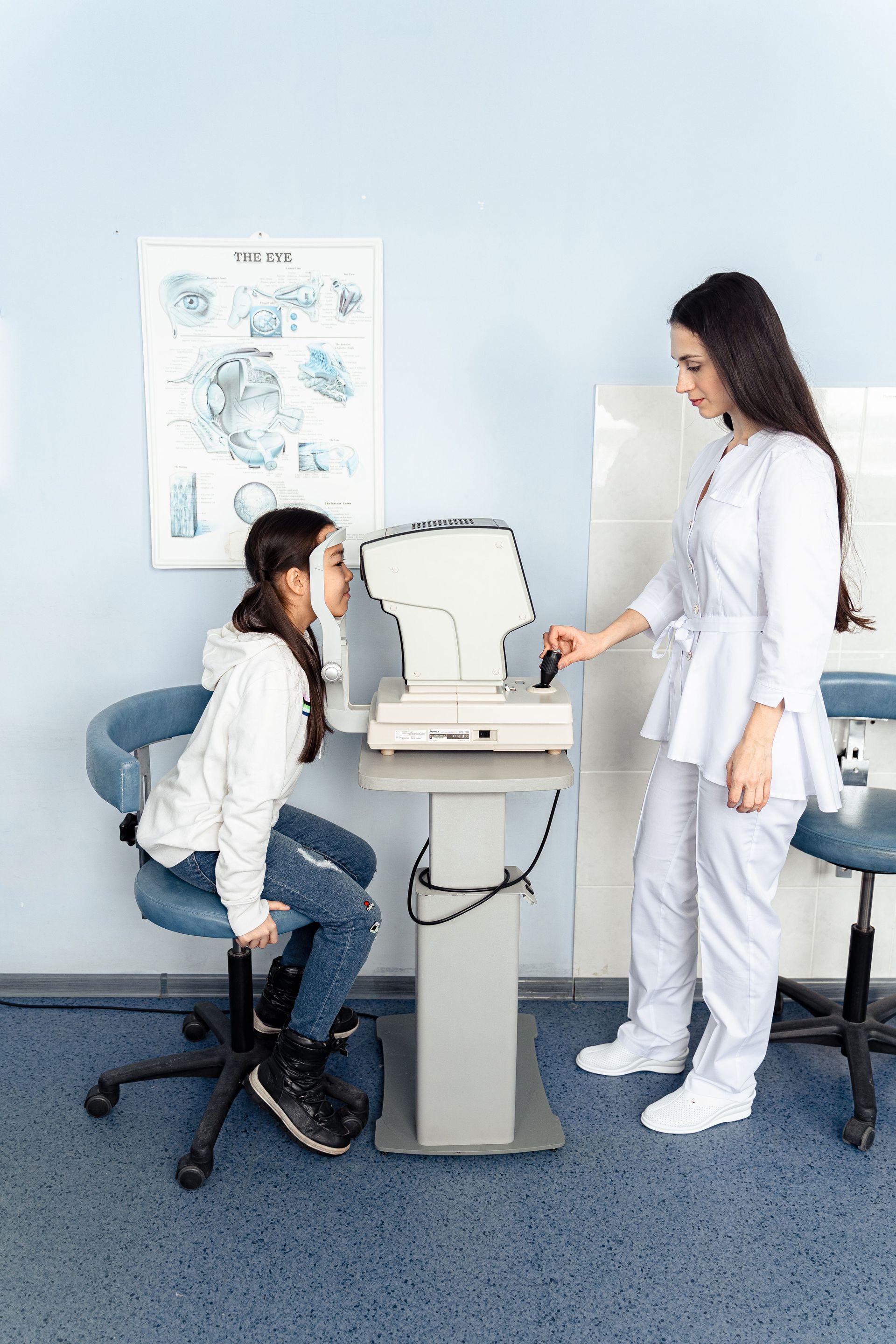
The normal pupillary distance for adults typically falls between 54mm and 74mm, with most people landing somewhere between 60mm and 65mm. However, clinical data puts the adult average at roughly 63 mm, though the acceptable range extends from about 50 mm to 70 mm depending on facial structure and gender.
In children, the average pupillary distance is around 40 mm, according to WebMD. Since there is significant growth in facial bones and structure from childhood to adulthood, PD keeps changing with time. That’s why you should always recheck pupillary distance whenever you assess your children’s vision.
What If Your Pupillary Distance Is Not Correct?
If your PD is incorrect, it can shift the lens optical centres inwards or outwards. Your eyes may then compensate by working harder to maintain a clear vision. Due to the additional effort by your eyes, you may have to face any of the following symptoms:
Eye fatigue after reading or screen use- Frontal headaches
- Blurry vision despite a correct prescription
- A floating or swimming sensation
- Difficulty judging depth
- Discomfort when moving your eyes
- Trouble using progressive lens zones
As a result, you keep addressing symptoms without realising that the issue is not your prescription but an incorrect pupillary distance measurement. Once your lenses are made with the corrected PD, your symptoms disappear gradually.
Common Mistakes to Avoid When Measuring PD
When measuring your PD at home, you should avoid some common mistakes that people often make. Even a single blunder can affect your measurements by 1 mm or 2 mm, which could be a big change in case of progressive lenses. So, avoid these common mistakes when estimating your PD on your own:
Using centimetres instead of millimetres: Optical measurements require millimetres.
Moving your eyes towards the ruler: Keep looking straight ahead.
Tilting the ruler: Hold it level across your face.
Measuring from pupil edges: Measure from centre to centre.
Standing too close to a helper: Focus on a distant point.
Relying on one attempt: Take at least three readings.
Using an old measurement for a child: Facial growth can change PD.
Assuming both eyes are symmetrical: Dual PD values can differ.
To Sum Up
In short, pupillary distance is a small number that carries a lot of weight in eye care. It decides whether your lenses actually work the way your prescription intended. Even with a difference of a millimetre or two, PD can turn your regular glasses into a source of daily eye strain and headache. For that reason, use a current and carefully checked measurement.
However, if you think you might make a mistake during measurement, visit Nazarian Optometrists today and get your PD measured accurately by professionals. Since
1985, our family-owned practice has helped thousands of patients in Blacktown achieve accurate lens fittings through comprehensive eye examinations and precise optical measurements.
Book your eye test and PD measurement with Nazarian Optometrists today. Call us on (02) 9100 0766 or visit our website to book an appointment.
Frequently Asked Questions
What is normal pupillary distance?
A typical adult PD often falls between 50 and 75 mm, with an average near 63 mm. Children generally have smaller measurements. Your personal PD may sit outside the average range without indicating an eye problem.
Is it safe to measure PD at home?
Home measurement is generally suitable for estimating PD for basic single-vision glasses. Strong prescriptions, progressive lenses, children’s glasses, and specialised eyewear need more detailed professional measurements.
What happens if my PD is off by 2mm?
A 2 mm error may cause no obvious problem in a mild prescription, but it can create eye strain, headaches, blur, or unwanted prism in stronger or more complex lenses.
Can I measure my PD on my phone?
Yes, you can do it on several apps or websites that use a reference object like a credit card for scale. These can give a reasonable estimate for casual use, though they are typically less precise than a careful ruler measurement or a professional pupillometer reading.