If your contact lens suddenly feels scratchy or uncomfortable after you put it in, something may not be sitting quite right. The lens could be inside out, but dryness or trapped debris can cause a similar feeling.
Soft contact lenses are remarkably thin and flexible, which means they can easily invert when you lift them out of a storage case or clean them in your palm.
In our optometric practice, seeing patients struggle with lens orientation is a routine part of daily care, especially for those who are new to wearing contacts. In this guide, we'll walk you through five simple checks to see if your contact lens is inside out so you can skip the irritation and get back to clear vision.
Quick Overview
You can tell if your contact is inside out with a few quick visual and physical tests:
- The side profile for a smooth cup shape rather than an outward flare
- The taco folds to verify the top rim curves inward when gently pinched
- Manufacturer orientation markings to ensure numbers or letters appear correctly
- The outer rim tint to see if the blue handling color looks bright or pale
- Sensation on the eye to catch immediate grittiness, sliding, or watering
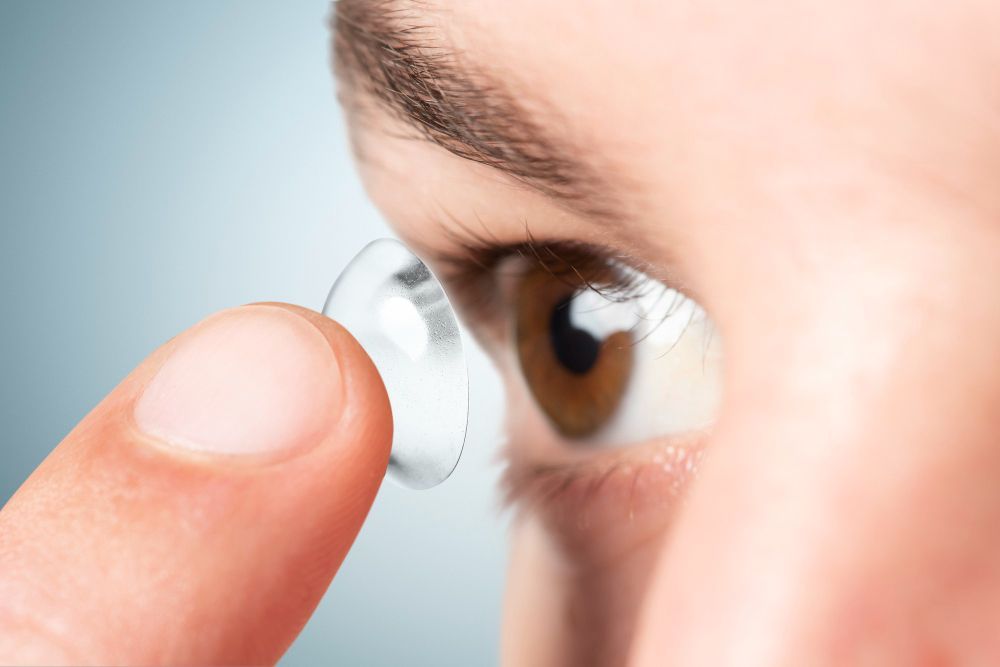
Why Do Contact Lenses Turn Inside Out?
Contact lenses are made from soft, water-retaining polymers that adapt smoothly to the shape of your cornea. Since these materials are so thin and pliable, they can easily flip backward while you are just getting them ready to wear.
Lenses often turn inside out when:
- You lift them out of the solution
- Rub them clean against your hand
- Peel them off a dry finger.
If the moisture balance between your fingertip and the lens changes, the edges can cling and pop the entire lens backward. It is a simple physical characteristic of soft lens design rather than any defect in the product.
How to Know If Your Contact Is Inside Out: 5 Easy Checks
Taking a few seconds to inspect a lens before insertion may save you from watering eyes and discomfort. Here are five practical techniques to confirm your lens orientation.
1. Look at the Lens From the Side
One of the easiest ways to check is to place the lens on the pad of your index finger with the cup facing upward toward the ceiling. Raising your finger to eye level lets you examine the side silhouette closely.
When the lens is right-side out, the edges curve cleanly upward and create a neat, symmetrical bowl.
If it is flipped inside out, the upper rims flare slightly outward, taking on the shape of a shallow saucer with a tiny edge. That subtle flare at the top edge is a clear signal that the lens needs to be turned back.
2. Try the Taco Test
The taco test relies on the natural flexibility of the lens material. Here is how you can do it:
- Place the lens between your thumb and index finger without squeezing it tightly.
- Gently bring the sides together and watch how the edges move.
- Right Side Out: The top edges fold inward toward each other, looking just like a folded taco shell.
- Inside Out: The upper rims flare outward toward your fingertips, resisting the inward fold.
3. Check the Numbers or Manufacturer Markings
Many lens manufacturers print tiny laser numbers or letters along the outer edge of the lens, such as "123" or brand initials.
You can position the lens on your fingertip under a bright light source and look directly through the side of the cup.
- Right Side Out: The numbers read in correct sequence from left to right.
- Inside Out: The sequence appears backward or reversed, like "321".
4. Check the Handling Tint
Many clear lenses have a subtle blue or green handling tint on the outer surface. If your lenses have this tint, the color brightness along the rim acts as a quick orientation check.
- Place the lens on your fingertip under bright light.
- Look directly down at the top edge of the lens.
- Right Side Out: The colored outer layer faces toward you and creates a vibrant ring along the top edge.
- Inside Out: The colored layer flips inward, making the top edge look noticeably pale, dull, or washed out.
(Note: If your lenses are completely clear or custom-tinted, use one of the structural tests above instead.)
5. Pay Attention to How the Contact Feels in Your Eye
Your eye is extremely sensitive, and it will let you know almost instantly if a lens is sitting backward.
When a lens is right-side out, it glides right into place over your eye. After a quick blink or two, you barely even feel it's there.
What Should You Do If Your Contact Lens Is Inside Out?
Whether the lens is already on your eye or still on your finger, fixing an inverted contact is simple:
- Remove the Lens: Wash and dry your hands thoroughly before touching the lens or your eye. Then remove the lens using the technique your optometrist has shown you.
- Clean and Rehydrate: Place the lens in your palm, add a few drops of multi-purpose contact solution, and rub it gently with your finger pad.
- Flip the Shape: Carefully push the center of the lens until it pops back into the correct orientation.
- Rinse Thoroughly: Rinse the lens with fresh solution to clear off any dust, skin oils, or lint transferred during handling.
- Reinsert: Verify the edge shape one final time before placing it back onto your eye.
Can Wearing a Contact Lens Inside Out Damage Your Eye?
An inside-out soft contact lens often causes discomfort rather than a serious problem. However, do not keep wearing a lens that causes pain, persistent redness, or changes in your vision.
Because the flared edges push directly against your eyelid rather than resting smoothly on the eye, every blink can create friction. This placement may lead to:
- Redness
- Watering
- Irritation.
Avoid rubbing an irritated eye. Contact lenses can contribute to corneal abrasions in some circumstances, and forceful rubbing may increase irritation or injury. If a lens feels off, taking it out right away is always the safest choice.
What If Your Contact Still Feels Wrong After You Flip It?
If you flip the lens to the correct side and your eye still feels irritated, a few other common factors might be causing the issue:
- Trapped Debris: A tiny speck of dust, an eyelash, or makeup residue might be stuck underneath the lens. Remove the lens and check it for visible debris. If it is reusable, clean it with the appropriate contact lens solution before reinsertion. Never use tap water or saliva to clean a contact lens.
- Structural Tears: It helps to inspect the outer rim under good light. A tiny tear or nick along the edge can cause constant irritation regardless of orientation. If you spot any damage, you need to throw the lens away.
- Surface Dryness: An overly dry lens won't settle properly. If dryness continues after reinsertion, remove the lens and give your eye a break. Ask your optometrist which lubricating drops are compatible with your particular lenses.
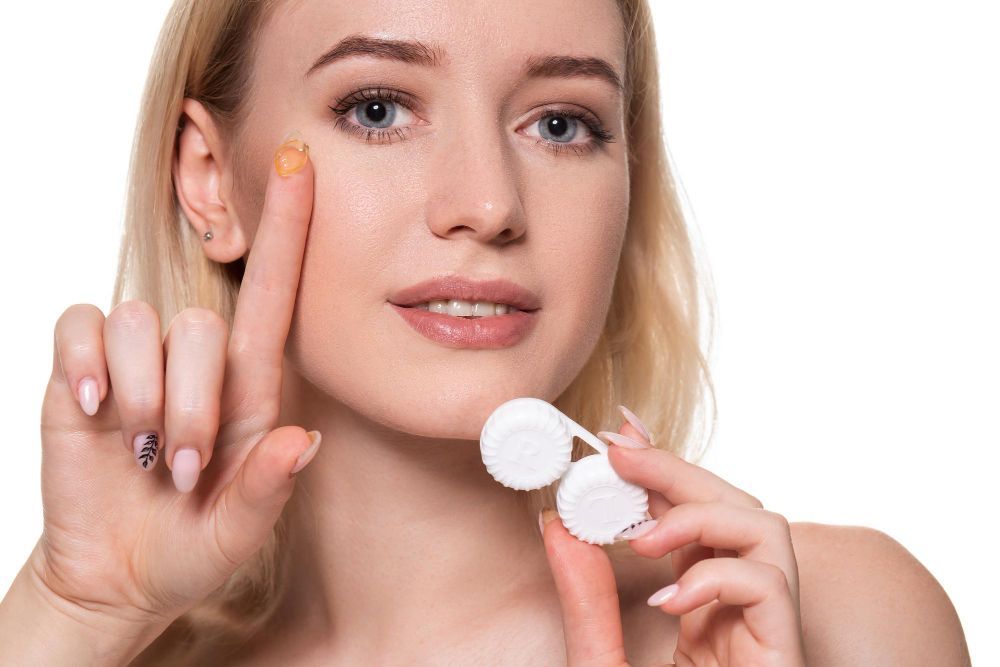
When Should You See an Optometrist About Contact Lens Discomfort?
If a lens still feels scratchy after making sure it's right-side out and properly cleaned, you may have a fitting issue or an underlying eye condition.
At Nazarian Optometrists, we recently had a patient come into our clinic who was convinced her daily lenses were defective because they kept sliding around and causing redness every morning.
During her examination, we checked the lens fit under our slit-lamp microscope and noticed her corneal curvature was naturally steeper than average. Standard off-the-shelf lens dimensions weren't seating properly on her eyes, causing them to slip constantly and mimicking the exact feeling of an inside-out contact.
Switching her to a lens design with a better-matching base curve completely resolved the issue. This is why a professional examination is so vital whenever routine comfort checks don't fix the problem.
Conclusion
Telling whether your contact lens is inside out becomes easy once you know what details to look for. Checking the side profile, using the taco test, or glancing for laser markings takes only a few seconds and keeps your eyes comfortable throughout the day.
If you ever experience ongoing lens irritation or shifting vision, or want guidance on finding the right lens fit for your routine, contact the team at Nazarian Optometrists to schedule a consultation.
FAQs
How Can You Tell If a Contact Is Backward If It Has No Markings?
If there aren't any laser markings to go by, the side profile test or the taco fold check can help. You can also look for the blue edge tint, which appears more distinct along the top rim when the lens is right-side out.
Can an Inside-Out Contact Lens Fall Out?
Yes, an inverted lens can easily fall out. Since the edges flare away from your eye surface rather than sitting flat against your tear film, your eyelid can catch the edge when you blink and push it out.
Should I Throw Away a Contact Lens That Was Inside Out?
An inside-out lens is perfectly fine to keep using. Soft contact lenses are designed to be flexible, so you can just flip them back to the right side, give them a rinse with sterile contact solution, and put them in as usual.