Sudden blurry vision can occur for several reasons, ranging from temporary issues such as eye strain and dry eyes to more serious medical conditions.
Based on our experience providing eye care in Blacktown, we will explain the common causes of blurred vision, situations that require urgent medical attention, and the treatment options that may help.
Quick Summary
Sudden blurry vision can show up in one eye or both. Most of the time, the cause is something pretty ordinary. Dry eyes, too much screen time, or a glasses prescription that is no longer doing its job. These things happen to many people, and they are usually easy to sort out.
But a few causes are more serious. Angle-closure glaucoma, a detached retina, or a stroke can all affect your vision, and these need help right away. A full eye exam is the clearest way to find out what is going on. Once you know the cause, blurry vision can often be treated well.
When Sudden Blurry Vision Is an Emergency
Sudden blurry vision is an emergency when accompanied by signs suggesting a problem in the eye or brain. Please do not wait it out if the blur arrives with any of these:

- Sudden loss of vision, even for a short time
- Severe eye pain or a very red, painful eye
- New flashes of light or a shower of floaters
- A dark curtain or shadow moving across your sight
- Double vision
- Halos around lights with nausea or vomiting
- A severe headache that feels different from your usual ones
- Weakness, numbness, facial drooping, confusion, dizziness, or trouble speaking
- Blurry vision straight after a knock to the eye or head
Particular attention should be paid to symptoms such as facial drooping, weakness on one side of the body, difficulty speaking, or confusion. When these occur alongside vision changes, they may indicate a stroke and require immediate medical attention. Healthdirect Australia advises that a sudden change in vision requires you to go to your nearest emergency department or call triple zero (000) for an ambulance.
If you are unsure whether your symptoms are serious, seek prompt medical assessment. Early evaluation can help identify potentially sight-threatening or life-threatening conditions.
What Causes Blurred Vision? 18 Reasons Your Eyes Suddenly Go Blurry
We have grouped the causes of blurred vision from the usually harmless to those that need urgent action. Find your situation, then read on for what to do about it.
1. Dry Eyes
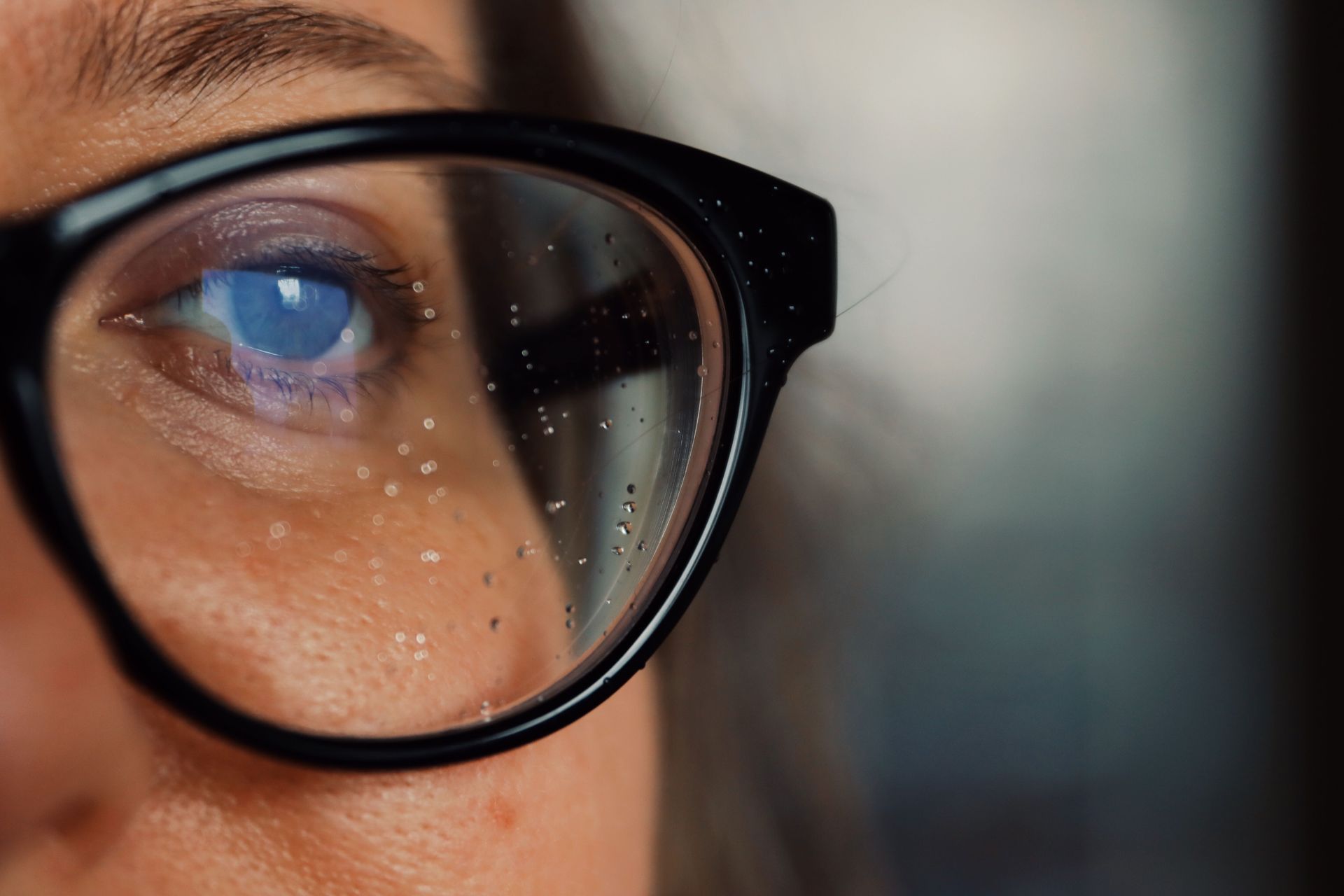
Dry eyes are among the most common causes of hazy vision, and they can also cause blurred vision. When your tear film breaks up too quickly, the surface of your eye loses its smooth focus. Your vision may briefly improve after blinking, then become blurred again. You might also feel burning, grittiness, or oddly watery eyes. Screen time, air conditioning, and long drives can all worsen it.
2. Digital Eye Strain
Stare at a screen long enough, and your focusing muscles get worn out and stop snapping back cleanly. We blink far less when we concentrate, so the eyes dry out on top of the fatigue. The result is blurred by the end of the day, often with a headache and tight shoulders. This type of blur often improves with rest and reduced screen use.
3. Refractive Errors
Harvard Health confirms that refractive error is the most common cause of blurry vision. A refractive error occurs when light does not focus precisely on the retina, resulting in blurred vision. It covers short-sightedness, long-sightedness, astigmatism, and the age-related change called presbyopia.
It usually creeps in slowly, but it can feel sudden when your prescription falls behind or the light is poor. The fix is often as straightforward as updating your glasses.
4. Contact Lens Problems
Dirty, dried out, or simply the wrong fit will smear your vision fast. A lens can also shift off-centre, which throws everything out of focus. If the blurred feeling comes with pain, redness, or discharge, take the lenses out and have the eye checked. Sleeping in contact lenses that are not designed for overnight use increases the risk of infection and other preventable eye complications.
5. Eye Allergies
Pollen, dust, pet hair, and even certain cosmetics can set off allergic conjunctivitis. Your eyes turn itchy, watery, and puffy, and the extra tears and swelling blur your sight. It often runs in seasons or flares in a dusty room. Allergy relief usually settles both the itch and the blur together.
6. Conjunctivitis (Pink Eye)
Pink eye is inflammation of the thin membrane over the white of your eye, and it can be triggered by a virus, bacteria, or an allergy. Along with redness and discharge, the mucus and watering can leave your vision smudged. It is common, often mild, and very catching, so good hand hygiene matters while it clears.
7. Corneal Abrasion or Eye Injury
A scratch on the cornea, called a corneal abrasion, can be surprisingly painful and uncomfortable. The causes are often small and easy to miss. A stray fingernail, a tiny speck of grit, or even a rough contact lens can do it. Usually, your eye will suddenly turn blurry. It may water a lot, feel very sensitive to light, and give you the nagging feeling that something is stuck in there.
8. Keratitis
Keratitis is inflammation or infection of the cornea, and contact lens misuse is a frequent trigger. It brings pain, redness, light sensitivity, and blur that does not let up. Prompt assessment and treatment are important to reduce the risk of complications. Left alone, a corneal infection can scar and threaten vision, so we never treat it casually.
9. Migraine Aura
Some migraines announce themselves through your eyes before any headache lands. You might see shimmering zigzags, flickering lights, or a patch of blur and blank space. These visual symptoms typically resolve within an hour. A first-ever aura, or one that feels different from your normal pattern, is worth a check to rule out other things.
10. Low Blood Sugar
When blood sugar drops too low, your brain and eyes do not get the fuel they need, and vision can blur for a while. It often arrives with shakiness, sweating, hunger, and a racing heart. People on insulin or certain diabetes medicines feel this most. Usually, treating the low sugar levels clears the blur quickly.
11. High Blood Sugar and Diabetes
High blood sugar pulls fluid into the lens of the eye, changing its shape and affecting its ability to focus properly. Vision may fluctuate from day to day until blood glucose levels become more stable. Over the longer term, diabetes can damage the tiny blood vessels at the back of the eye, a condition called diabetic retinopathy, which is a leading cause of vision loss. For this reason, people with diabetes are generally advised to have regular eye examinations, often annually.
12. Medication Side Effects
Several commonly prescribed medications can cause blurry vision as a side effect. Antihistamines, some antidepressants, steroids, and certain blood pressure tablets can cause dry eyes and blurred vision. Please never stop a prescribed medicine on your own. Discuss any concerns with your prescribing healthcare professional or eye care provider before making changes to your treatment.
13. Cataracts
A cataract is the clouding of the eye's natural lens, and it usually builds slowly with age. Even so, many people first notice it as a sudden struggle in bright sunlight, with glare and halos, while driving at night. Colors may appear less vivid, and vision may seem cloudy or less clear. When cataracts begin to affect daily activities significantly, cataract surgery is generally a safe and effective treatment option.
14. Acute Angle-Closure Glaucoma
Acute angle-closure glaucoma is a medical emergency that requires immediate treatment. This condition occurs when the eye's drainage angle becomes blocked, causing a rapid rise in intraocular pressure that can damage the optic nerve. It brings sudden blurriness, severe pain, a red eye, halos around lights, a headache, and often nausea or vomiting. Get to care straight away, because quick treatment protects the optic nerve and your sight.
15. Retinal Detachment
The retina is the light-sensing layer at the back of the eye, and it can peel away from its support. Common warning signs include a sudden increase in floaters, flashes of light, or the appearance of a shadow or curtain across part of the visual field. This condition needs emergency attention. Early treatment is associated with better outcomes, which is why new flashes or floaters should be assessed promptly.
16. Retinal Vein or Artery Occlusion
Sometimes called an eye stroke, this condition happens when a blood vessel feeding the retina is blocked. Vision in one eye blurs or drops suddenly, and usually without any pain. It is more likely with high blood pressure, diabetes, high cholesterol, or other vascular issues. Sudden painless vision loss in one eye is always a reason to seek help quickly.
17. Optic Neuritis
Optic neuritis is inflammation of the optic nerve, the cable that carries signals from the eye to the brain. It tends to blur one eye, dim your colors, and cause an ache when you move the eye. It can be associated with autoimmune or neurological conditions and should be assessed promptly.
18. Stroke or TIA
Sudden blurry vision, double vision, or a loss of part of your sight can be a sign of a stroke or a mini-stroke (TIA). The concern becomes more urgent when blurred vision occurs alongside facial drooping, arm weakness, slurred speech, confusion, or a severe headache. If you experience these symptoms, call triple zero (000) immediately or seek emergency medical care without delay.
A quick note on completeness: a few rarer causes can blur vision too, including bleeding inside the eye after injury, very high blood pressure, pre-eclampsia in pregnancy, and severe dehydration or stress. They are less common, but they are real, and an eye exam helps tell them apart.8. Stroke or TIA
Why Is My Vision Blurry in One Eye?
When only one eye blurs, the cause is usually local to that eye, though some reasons are serious. Blur in a single eye is more often due to dry eye on that side, a contact lens problem, a corneal scratch, the start of a cataract, or a migraine aura. Conditions such as retinal detachment, retinal vascular occlusion, and optic neuritis require prompt medical assessment because they can threaten vision.
If you're wondering why vision is blurry in only one part of your eye, a general guideline is that gradual vision changes without other concerning symptoms can usually be evaluated during a routine eye appointment. However, any sudden change in vision, eye pain, or loss of vision should be assessed urgently by a healthcare professional.
Why Are Both My Eyes Blurry Suddenly?
Blurring across both eyes at once usually traces back to something affecting your whole system rather than a single eye. Common blurry eye causes include dry eyes, digital eye strain, and migraine-related visual symptoms.
Blood sugar fluctuations, certain medications, and high blood pressure can also affect vision in both eyes. More rarely, a neurological cause sits behind it. The pattern still guides us, which is why we always ask whether it is one eye or two when you call.
How We Find the Cause of Sudden Blurry Vision
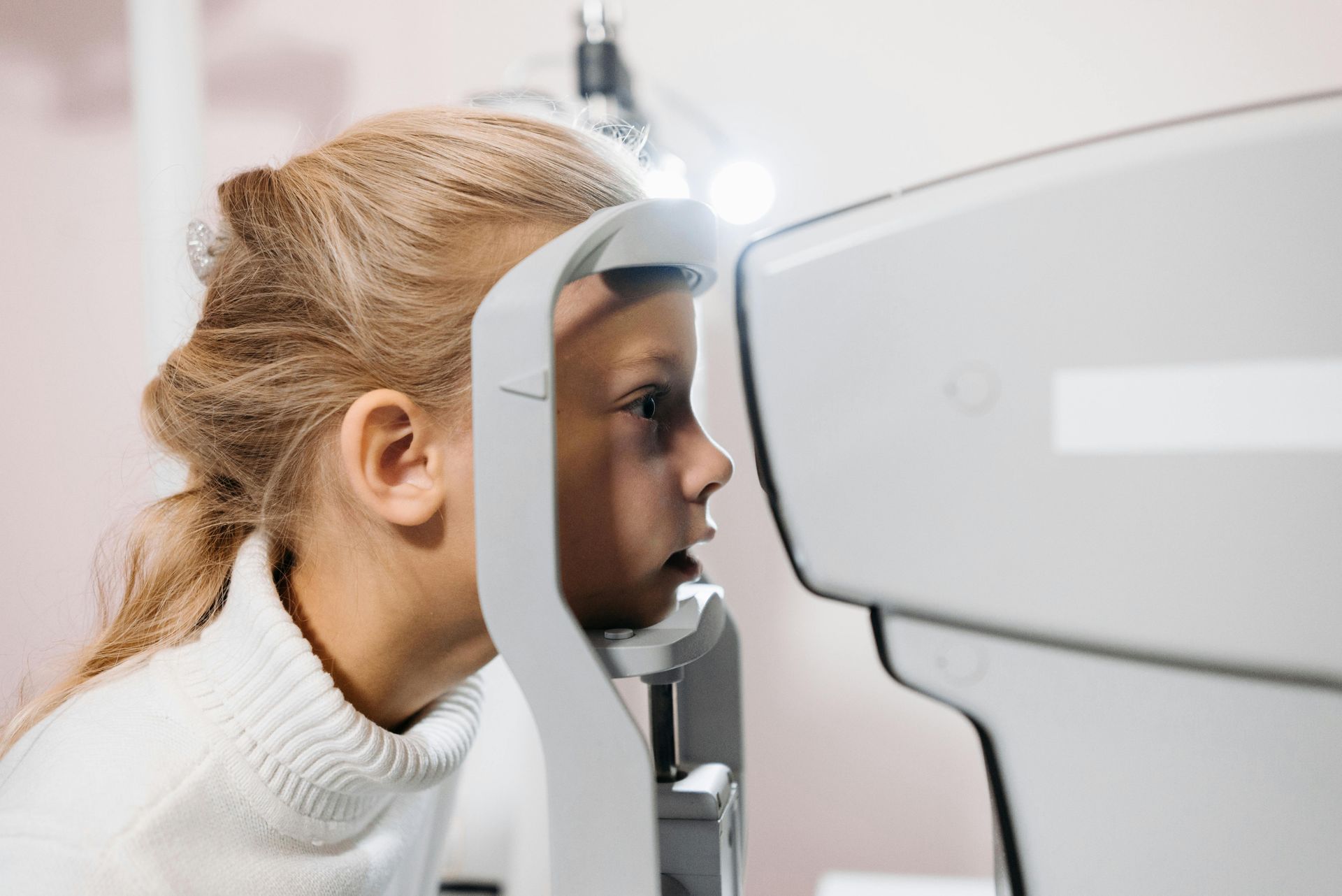
Because blurry vision has many possible causes, a comprehensive eye examination is often the most reliable way to identify the underlying problem. When you come in, we start with your story: how fast the blur began, one eye or both, any pain, any recent injury, your medicines, and whether you live with diabetes. From there, we perform a detailed assessment using diagnostic tools designed to evaluate different aspects of eye health.
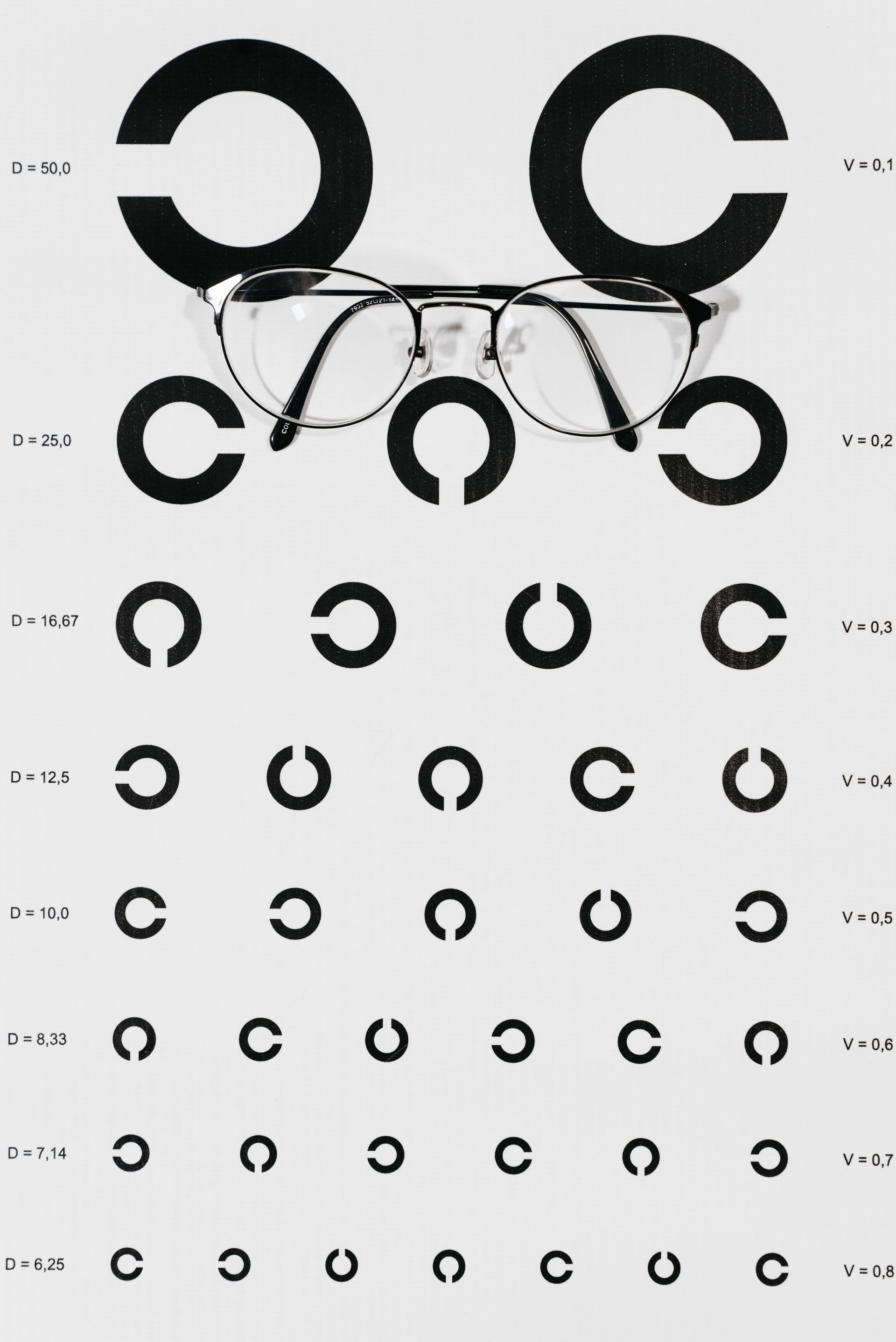
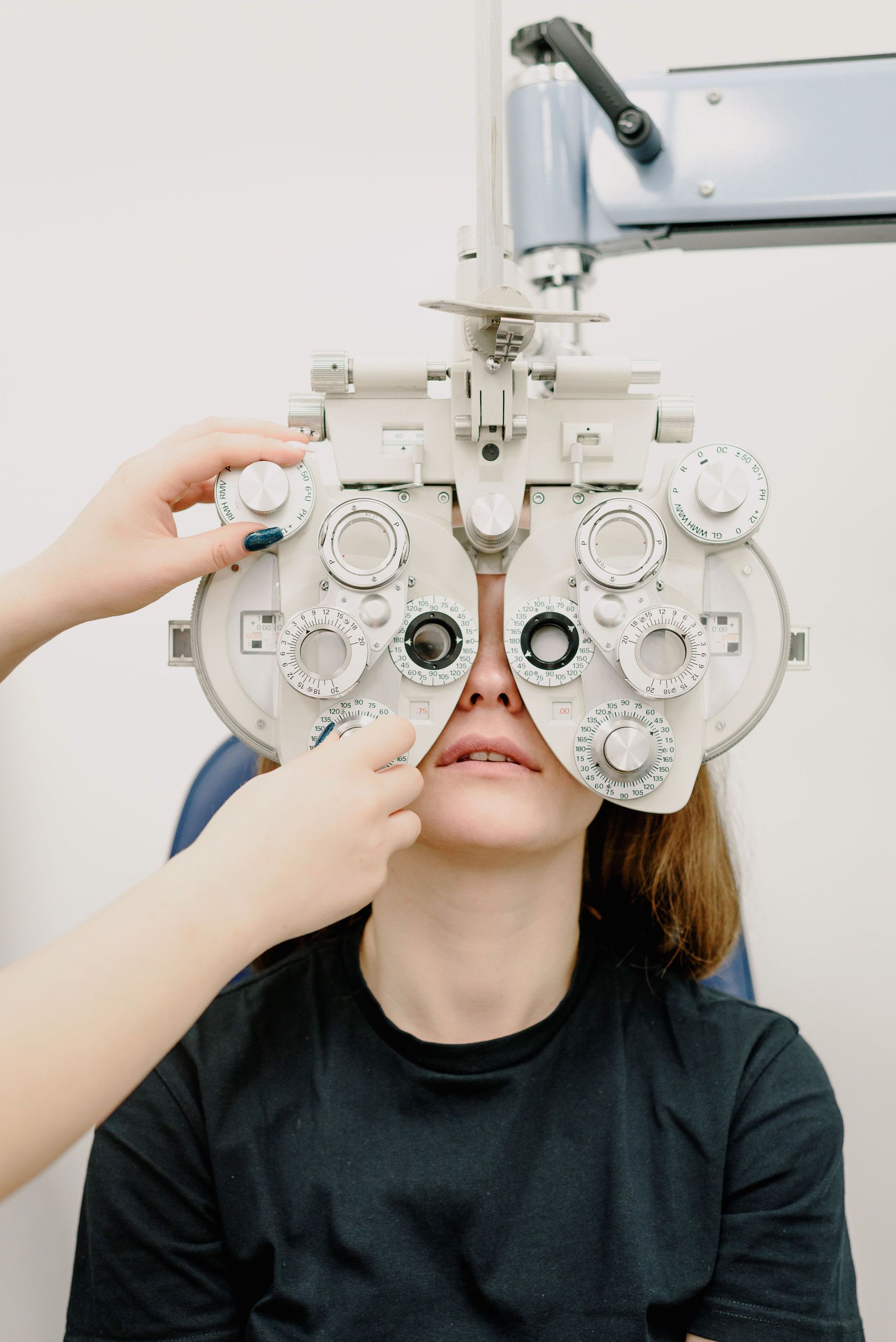
- A refraction tells us whether a prescription change is part of the problem.
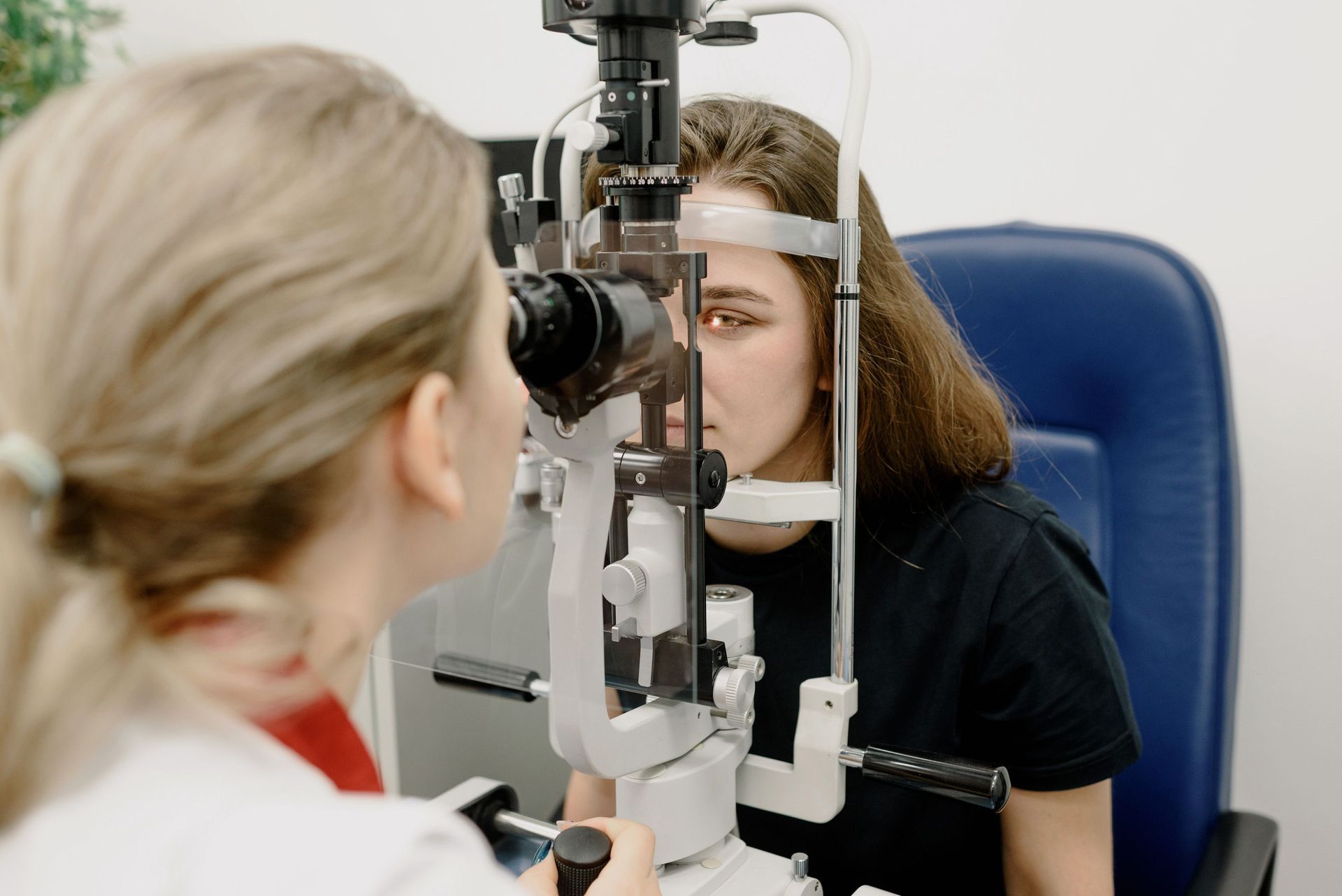
- A digital bio-microscope gives us a close, magnified look at the front of your eye, so we can spot dryness, infection, or injury.
- Tonometry checks the pressure inside your eye, which helps us pick up and keep an eye on glaucoma.
- An OCT scan looks beneath the surface of your retina, helping us detect subtle changes that may not be visible during a standard eye examination. This process helps us catch small changes early, often before they cause any symptoms.
- The Zeiss Clarus ultra-wide retinal camera captures detailed images of the outer edges of your retina, helping us detect changes that can sometimes be missed during traditional retinal examinations.
- A visual field test maps your side vision and flags any quiet gaps you might not have noticed.
- For children, we also use the IOL Master to track how the eye is growing and watch for short-sightedness developing over time.

How Much Time Is Required to Treat Blurry Vision?
The right treatment really depends on what we find during the exam. Here is how the common ones usually play out.
| Condition | Common Treatment/Management |
|---|---|
| Dry Eyes | Lubricating eye drops, taking more blinking breaks, and sorting out whatever is causing the dryness. |
| Eye Strain | Following the 20-20-20 rule, improving your lighting, and taking regular breaks from screens. |
| Refractive Error | Updating your glasses or contact lenses, often ready the same day through our in-house lab. |
| Infections & Inflammation | Prescription eye drops or medication to calm inflammation, clear the infection, and protect the eye. |
| Migraine | Managing the migraines themselves, since visual aura is often tied to migraine episodes. |
| Diabetes & Blood Sugar Issues | Keeping your blood glucose steady with your GP and having regular retinal exams. |
| Emergencies (Retinal Detachment, Glaucoma, Stroke Symptoms) | Immediate specialist or hospital care, where quick treatment can help protect your sight. |
How to Prevent Blurry Eyes
Adopting some healthy habits may help reduce the risk of common causes of blurry vision. Take real breaks from your screen and remember to blink. Drink enough water throughout the day, since even mild dehydration dries the eyes. Look after your contact lenses, and never sleep in them unless they are designed for it. Managing the following conditions is important for maintaining long-term eye health.
- Diabetes
- High blood pressure
- High cholesterol
Wearing quality sunglasses and appropriate protective eyewear can help reduce the risk of eye injuries and damage from UV exposure. Regular comprehensive eye examinations are equally important, as they can detect changes in eye health before noticeable symptoms develop. As a general guide, an exam every two years suits healthy adults, while yearly checks make sense if you are over 65, wear contact lenses, or live with diabetes. The same goes for children’s vision. Squinting, sitting close to the screen, or headaches after school are worth a look.
Final Words
Your eyes are worth paying attention to, and blurry vision is your body's way of asking you to take a closer look. Most causes can be managed, and many can be easily corrected once you know what you are dealing with. The important thing is to listen to what your vision is telling you.
When the changes are sudden or severe, treat them as urgent. When they build up slowly or keep returning, book an appointment rather than waiting and hoping they pass. You do not have to work out the cause on your own. A thorough eye examination can give you clear answers and a plan that suits your needs.
Modern diagnostic technology helps detect many eye conditions earlier than ever before. At Nazarian Optometrists, tools such as OCT scanning, visual field testing, and ultra-wide retinal imaging help provide a more complete understanding of your eye health.
Frequently Asked Questions
Why is my eye blurry, but it does not hurt at all?
Painless blur is common and often harmless, pointing to things like dry eye, an outdated prescription, the early stage of a cataract, or a passing migraine aura. However, some serious conditions, including retinal vascular occlusions, may also present without pain. Sudden painless vision loss in one eye still needs urgent care, even when nothing aches.
How long should blurry vision last before I worry?
Blurry vision that clears within minutes to an hour, especially after rest or a quick blink, is usually not a cause for concern. Blur that lingers for hours, keeps coming back, or steadily worsens deserves an eye exam. Any sudden, severe, or one-sided blur should not be ignored at all.
Can stress or tiredness really make my vision blurry?
Being run down absolutely affects your eyes. Fatigue and high stress reduce blinking, dry the surface, and tire the focusing muscles, so vision smears and your eyes ache. Rest, hydration, and screen breaks usually settle it, though ongoing blur is still worth checking.
Is it normal for my vision to blur after looking at my phone for a long?
That end-of-scroll haze is classic digital eye strain, and it is very common rather than dangerous. Your eyes have simply held one focus distance too long without blinking enough. The 20-20-20 habit, looking 20 feet away for 20 seconds every 20 minutes, gives your eyes the reset they need.
Do I still need an eye test if my blurry vision went away on its own?
Blur that clears up can still be worth checking, because the eye may be telling you about a pattern, such as dryness, blood sugar swings, or an early refractive change. A quick exam either reassures you or catches something useful early, and it is easy to manage.